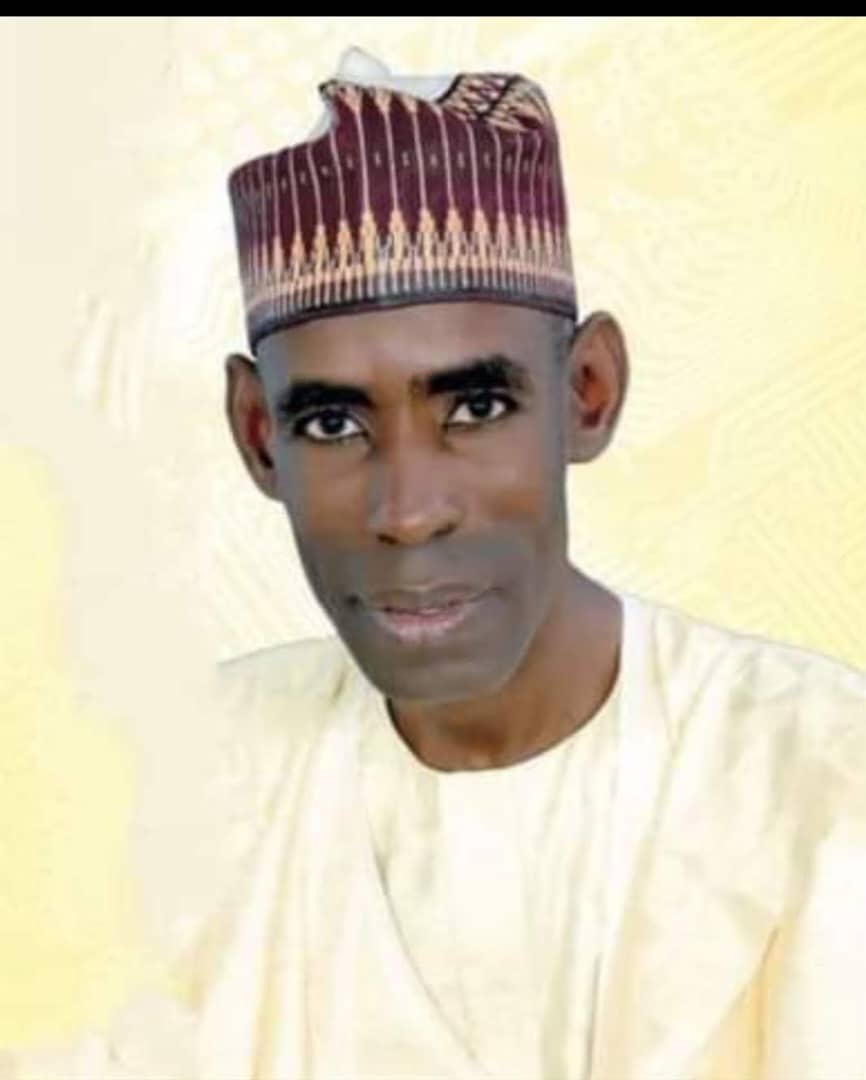
The Kano Gambit: A perilous shortcut, by
Engr. Bello Gwarzo Abdullahi, FNSE
Political defections are not new in Nigeria. From the First Republic to today, politicians have crossed party lines, often explaining their moves with lofty phrases like ideology, principle, or national interest. But history has taught us to look beyond the rhetoric. More often than not, defections are driven by convenience, personal survival, or ambition rather than conviction. Yes, the Constitution guarantees freedom of association—but not every political choice carries moral weight. Some defections make sense. Many do not.
In today’s Nigeria, defections to the ruling APC are especially hard to justify. Nigerians are hurting. The cost of living is crushing, inflation is relentless, the naira is weak, insecurity persists, and many feel the government is disconnected from the everyday struggles of ordinary people. Against this backdrop, joining the ruling party feels less like a strategic move and more like a dismissal of public pain. It sends a troubling message: that political elites are operating in a different Nigeria from the rest of us. At best, it reflects poor judgment. At worst, it looks like self-interest, plain and simple.
This reality makes the Kano situation particularly important. Kano is not just another state. It is the commercial heartbeat of Northern Nigeria, a historic centre of progressive and people-driven politics, and one of the largest voting blocs in the country. Kano has always mattered to Nigeria’s democracy. When Kano speaks politically, the nation listens.
Yet the state is still recovering from the deep wounds of the 2023 elections—an election that divided communities, dragged through the courts, and left lingering bitterness. On top of that came the prolonged Emirate crisis, widely seen as orchestrated by the APC, which exposed institutional weaknesses and distracted governance from the real issues affecting people’s lives. Meanwhile, frustration continues to grow, especially among young people and the urban poor, who increasingly see politics as a game played by elites for their own benefit.
Given how hard Kano voters fought to remove the APC in 2023, it is genuinely baffling that anyone from the state would now consider defecting to that same party—one already crowded with powerful figures preparing for internal battles over control. For anyone reading the mood of the people honestly, the smarter path is clear: remain in opposition and engage the contest directly. There are more than enough reasons—and opportunities—to convince voters not to return the APC to power.
READ ALSO: When opposition collapses, democracy follows, by Engr. Bello Gwarzo Abdullahi, FNSE
This brings us to the key question: what exactly would Governor Abba Kabir Yusuf gain by defecting at this moment?
Politics in Kano is complex and unforgiving. It requires firmness, emotional intelligence, political depth, and strong structures. By most accounts, the governor does not command an independent political base of his own. His rise was anchored largely on the Kwankwasiyya movement. Leaving that platform would not simply mean changing parties; it would mean walking into a new political terrain without loyal foot soldiers, without entrenched networks, and without real leverage.
It is also unrealistic to assume that the APC—with its deep-rooted factions, long-standing aspirants, and competing interests—would simply step aside and hand over its ticket or structure to a newcomer. Nigerian political parties are not charitable organisations; they are fiercely contested spaces. Even if a candidacy were somehow negotiated at the top, the real battle would begin later.
And what happens to those who move with him—local government chairmen, councillors, lawmakers, and appointees? History is not kind here. Defectors are often celebrated briefly, paraded as trophies, and then quietly sidelined. Long-standing party members rarely accept a newcomer taking what they believe they earned through years of struggle. Promises fade, structures weaken, and influence drains away. The cost is not borne by the politician alone; it is paid by supporters who suddenly find themselves politically stranded.
At a time when Nigerians—and especially Kano people—are crying out for leadership with courage, clarity, and consistency, political shortcuts send the wrong signal. Kano voters are politically aware, historically grounded, and increasingly impatient with manoeuvres that prioritise power over purpose.
READ ALSO: The North We Once Knew: Lessons in managed diversity, by Engr. Bello Gwarzo Abdullahi, FNSE
In the end, this is not just about party labels. It is about trust, timing, and realism. Any decision taken now must be judged against the suffering of Nigerians, the unique political character of Kano, and the long-term health of our democracy. Anything less risks deepening cynicism and further weakening public faith in politics.
Let’s be honest: this is not the season for shortcuts. Kano—and Nigeria—deserve better.
Written by Engr. Bello Gwarzo Abdullahi, FNSE.
Email: bgabdullahi@gmail.com
Follow the Neptune Prime channel on WhatsApp:
Do you have breaking news, interview request, opinion, suggestion, or want your event covered? Email us at neptuneprime2233@gmail.com