The Ngas (Angas) People of Plateau State: Preserving a heritage built on resilience and communal strength, by Tawheed Yakub
The Ngas, also known as Angas, people are one of the indigenous ethnic groups of Central Nigeria, renowned for their strong communal values, rich cultural heritage, and deep historical roots on the Plateau.
They are widely respected for their resilience, agricultural skill, and well-defined social institutions that have endured through migration, inter-ethnic contact, colonial rule, and modern social change.
The Ngas are predominantly found in Plateau State, Nigeria, especially in Pankshin, Kanke, and Kanam Local Government Areas, with ancestral homelands spreading across fertile plains and hilly terrains that shaped their farming traditions, settlement patterns, and defensive history.
Over generations, they have contributed significantly to the cultural, political, and socio-economic development of the Plateau region, maintaining a strong sense of identity anchored in respect for elders, kinship loyalty, industry, and communal responsibility.
READ ALSO: Bound by Heritage: Explore the communal unity and resilience of the Kanakuru tribe, by Tawheed Yakub
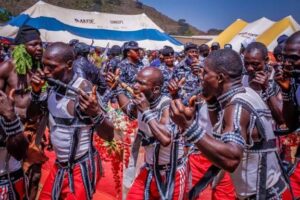
Historical Background and Origin
Ngas history is preserved mainly through oral traditions, clan genealogies, folktales, ritual practices, and the memories of elders, linguistically, the Ngas language belongs to the West Chadic branch of the Afroasiatic language family, linking them historically to other Plateau and Chadic-speaking tribes of central and northern Nigeria. Traditionally, the Ngas lived in autonomous hill and plain settlements organised around clans and extended families. These settlements provided security in pre-colonial times and supported subsistence agriculture. They interacted with neighbouring groups such as the Mwaghavul, Goemai, Tarok, Hausa, and Fulani, allowing cultural exchange while retaining a distinct Ngas identity.
Governance was traditionally vested in village heads, clan leaders, councils of elders, and ritual authorities, whose legitimacy came from ancestry, wisdom, bravery, and moral conduct, these institutions regulated land use, marriage, conflict resolution, farming seasons, and communal obligations.
Colonial administration altered political structures but traditional authority and communal norms remain influential today.
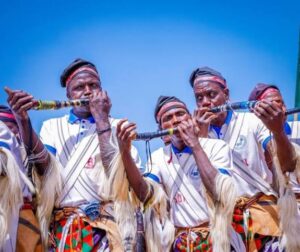
Culture and Tradition
Ngas culture is deeply communal, disciplined, and value-driven, life revolves around family, clan, and village, with clearly defined responsibilities for men, women, youth, and elders. Cooperation in farming, house building, ceremonies, and crisis response defines Ngas social life.
The Ngas language remains a vital marker of identity expressed through proverbs, storytelling, songs, and ritual communication. Oral literature serves as a vehicle for transmitting history, ethics, and social expectations, while traditional belief systems emphasise ancestral respect, courage, honesty, hospitality, and harmony with nature.
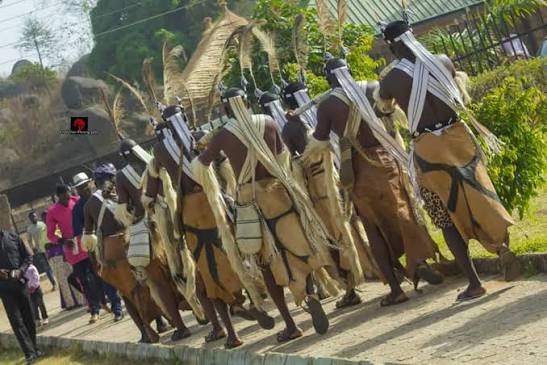
Today, Christianity is dominant, with a significant Muslim population and traditional values continuing to shape moral conduct and community life. Elders often express this philosophy with a local saying, “An Ngas man does not stand alone; he stands with his people,” reflecting the belief that individual strength flows from communal unity. Some cultural expressions include drumming, flute music, communal dances during festivals, symbolic attire for ceremonies, and storytelling sessions used to instil discipline and social values.
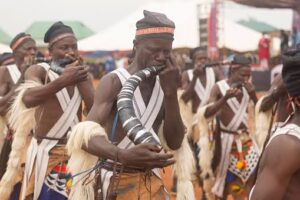
Marriage Customs
Marriage among the Ngas is a respected institution symbolising family continuity, social alliance, and communal honour, it involves formal family introductions, negotiations led by elders, payment of bride price often in livestock, farm produce, or money, blessings and moral counsel, and communal celebration with music, dance, and feasting.
Marriage is understood not merely as a union between two individuals but as a bond between families and clans. Polygamy was traditionally practised, particularly among farmers and community leaders, though economic realities have reduced its prevalence. Today, many marriages combine traditional customs with Christian or Islamic rites and civil ceremonies.
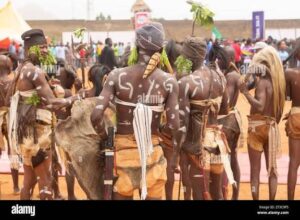
Socio-Economic Life
Agriculture remains the backbone of Ngas economic life; the people are skilled farmers cultivating millet, sorghum, maize, beans, groundnuts, and vegetables, supported by Plateau soils and seasonal rainfall. Other traditional occupations include livestock rearing, local trade, and craftwork. In modern times, Ngas men and women are increasingly involved in education, civil service, healthcare, security services, entrepreneurship, politics, and religious leadership, contributing actively to Plateau State and Nigeria as a whole.
Modern Times
Like many indigenous communities, the Ngas face challenges linked to modernisation, including declining use of the Ngas language among urban youth, economic pressure on rural farming communities, land disputes, population growth, migration, and cultural erosion. Despite these challenges, the Ngas continue to affirm their identity through cultural festivals, traditional leadership institutions, churches and mosques, community unions, youth associations, and heritage preservation efforts.
Ceremonies and Cultural Practices
Ngas ceremonies reflect deep spirituality, communal cooperation, and respect for ancestry.
Some of these include harvest and farming festivals, naming ceremonies, marriage celebrations, funeral rites honouring elders, communal labour and feasting, storytelling, music and dance gatherings, and conflict resolution through councils of elders, each ceremony reinforces core Ngas values of respect, hard work, courage, unity, faith, and social responsibility.
READ ALSO
From the hills and plains of the Jos Plateau to modern towns and institutions, the Ngas people continue to uphold a legacy founded on community, discipline, faith, and collective strength, demonstrating that tradition and modern life can coexist without erasing identity.
Follow the Neptune Prime channel on WhatsApp:
Do you have breaking news, interview request, opinion, suggestion, or want your event covered? Email us at neptuneprime2233@gmail.com