



The Gude People: Exploring the communal values and resilience of Adamawa’s vibrant tribe, by Tawheed Yakub
Nestled within the hills and valleys of northeastern Nigeria is a community whose history reflects cultural continuity, resilience, and a strong attachment to ancestral traditions – the Gude people.
The Gude are an indigenous Chadic-speaking ethnic group found primarily in Mubi South Local Government Area of Adamawa State, with related communities extending into parts of Borno State and neighbouring northern Cameroon.
Their language, known as Gude or Cheke, belongs to the Afro-Asiatic language family and remains an important symbol of ethnic identity and cultural heritage.
For generations, the Gude people have maintained a distinct cultural identity shaped by their environment, traditional institutions, and long-standing communal values.
Their homeland forms part of the broader Mandara Mountain region, an area known for its rich cultural diversity and historical significance.
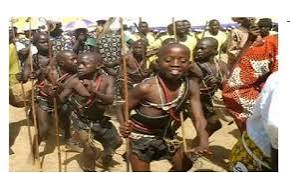
A People Rooted in History and Tradition
Like many indigenous communities across Africa, much of Gude history has been preserved through oral tradition. Stories of ancestral origins, migration, traditional leadership, and important historical events have been passed down through generations by elders, storytellers, and custodians of community knowledge.
Traditional social organisation among the Gude has historically revolved around families, clans, and local leadership structures that guided governance, conflict resolution, and the preservation of cultural customs.
Over time, interactions with neighbouring ethnic groups encouraged trade, cooperation, and cultural exchange while allowing the Gude to maintain their unique identity.
The Gude language continues to play a vital role in preserving this identity, serving as a link between generations despite increased urbanisation and the influence of dominant regional languages.
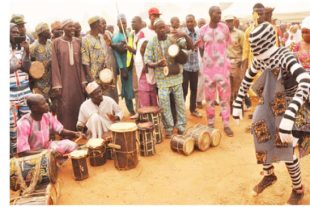
Community Life and Cultural Values
Community remains central to Gude society. Cooperation, mutual assistance, and respect for elders are values that continue to shape social life across many Gude communities.
Agricultural activities often involve collective participation among families and neighbours, strengthening social bonds and reinforcing a sense of shared responsibility. Elders are highly respected as custodians of wisdom, tradition, and communal memory, while younger generations are encouraged to uphold discipline, respect, and responsibility.
Today, Christianity is the predominant religion among many Gude communities, although Islam and aspects of traditional beliefs are also present in some areas. Cultural practices, festivals, and social ceremonies continue to reflect elements of both religious and indigenous traditions.
Music, drumming, dance, storytelling, and traditional performances remain important expressions of cultural identity. These activities are often featured during marriages, festivals, and other communal celebrations that bring families and communities together.

Marriage and Family Life
Marriage occupies an important place in Gude society, serving not only as a union between individuals but also as a bond between families and communities.
Traditional marriage ceremonies commonly involve family consultations, blessings from elders, symbolic exchanges, and communal celebrations marked by music, dance, and feasting. While modern influences have introduced changes to some practices, marriage continues to be associated with family honour, mutual respect, and social responsibility.
Family remains the foundation of social life, providing support, guidance, and continuity across generations.

Agriculture and Livelihood
Agriculture remains a major source of livelihood among the Gude people. Farmers cultivate crops such as millet, sorghum, maize, beans, groundnuts, and vegetables, which support both household consumption and local trade.
In addition to farming, many households engage in livestock rearing, trading, craftsmanship, and small-scale enterprises. These activities contribute significantly to local economies and community development.
In recent decades, increasing numbers of Gude men and women have pursued careers in education, healthcare, public service, business, security services, and other professions, contributing to development both within and beyond their ancestral homeland.

Preserving Heritage in a Changing World
Like many indigenous communities, the Gude face contemporary challenges, including urban migration, economic pressures, insecurity, and the gradual decline of indigenous language use among younger generations.
Despite these challenges, efforts to preserve Gude culture remain active through community associations, cultural events, traditional institutions, and language preservation initiatives. Elders and community leaders continue to emphasise the importance of passing on cultural knowledge, values, and traditions to future generations.
For the Gude people, preserving their heritage is not merely about remembering the past. It is about sustaining identity, honouring ancestors, and ensuring that future generations remain connected to the language, customs, and values that have shaped their community for centuries.
Follow the Neptune Prime channel on WhatsApp:
Do you have breaking news, interview request, opinion, suggestion, or want your event covered? Email us at neptuneprime2233@gmail.com