


US launches second day of strikes on Iran as ceasefire nears collapse
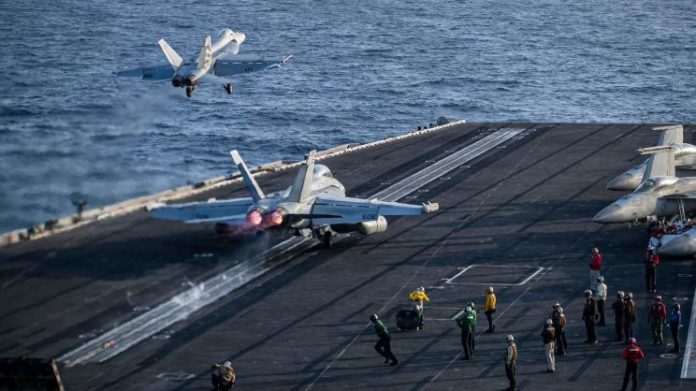
The United States launched a second consecutive day of military strikes against Iranian targets on Wednesday, escalating tensions in the Middle East and pushing a fragile ceasefire agreement closer to collapse.
The latest strikes targeted key Iranian military installations, including air-defense systems, radar facilities and command centers, according to U.S. officials. The attacks followed earlier military operations ordered by U.S. President Donald Trump after the reported downing of an American Apache helicopter near the Strait of Hormuz.
Read also: US-Israeli strike destroys water infrastructure in Southern Iran
Amid the escalating conflict, President Trump issued a stark warning to Tehran, signaling that Washington was prepared to intensify its military campaign if Iran failed to change course.
“We hit them hard yesterday, and we’re going to hit them again hard today,” Trump told reporters at the White House, underscoring the administration’s determination to maintain pressure on the Iranian government.
The U.S. President accused Iran of prolonging hostilities and undermining diplomatic efforts aimed at restoring stability in the region. He maintained that while the United States remained open to negotiations, military action would continue if American interests or personnel came under threat.
Iranian authorities condemned the latest strikes, describing them as a violation of ceasefire efforts and an attack on the country’s sovereignty. Tehran vowed to respond to what it called “continued American aggression,” raising fears of a broader regional confrontation.
Read also: Iran attacks U.S bases in Bahrain, Jordan, issues warning to Gulf neighbours
The renewed exchange of hostilities has alarmed the international community, with several governments and global organizations urging both sides to exercise restraint and return to dialogue. Analysts warn that further military escalation could destabilize the Gulf region and threaten global energy supplies, particularly through the Strait of Hormuz, a critical route for international oil exports.
Financial markets reacted nervously to the developments, with oil prices rising amid concerns over potential disruptions to crude shipments from the Middle East.
Despite ongoing diplomatic engagements behind the scenes, prospects for preserving the ceasefire appear increasingly uncertain as both Washington and Tehran harden their positions.
The situation remains fluid, with military and diplomatic observers closely monitoring developments amid growing fears that the crisis could evolve into a wider regional conflict.
Follow the Neptune Prime channel on WhatsApp:
Do you have breaking news, interview request, opinion, suggestion, or want your event covered? Email us at neptuneprime2233@gmail.com