


From Cartwheels to Calm-Downs: Goal celebrations that became national trends, by Martha Gwary
How footballers’ post-goal theatrics shaped youth culture, street behaviour and social conversations in Nigeria.
Football in Nigeria has never been just about goals. It is also about what happens after the ball hits the net. From choreographed dances to religious gestures, military salutes and comic antics, goal celebrations have gradually evolved into cultural statements capable of influencing fashion, slang, social media trends and even behaviour among young Nigerians.
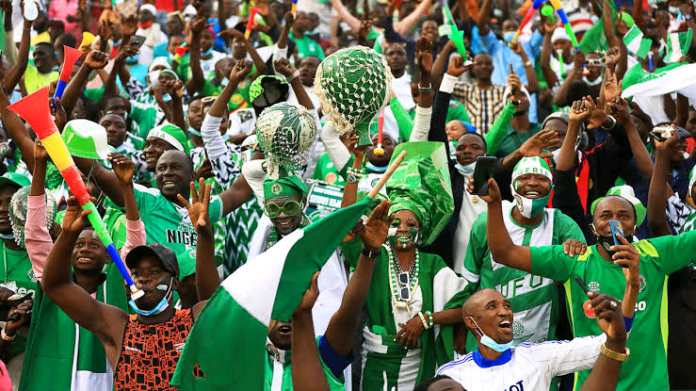
Across viewing centres, school fields, neighbourhood pitches and major stadiums, Nigerian football fans often remember the celebration as much as the goal itself. In many cases, those few dramatic seconds after scoring become talking points that travel far beyond football circles.
READ ALSO: Saka becomes Arsenal’s highest-paid player
Over the years, celebrations by Nigerian stars and foreign football icons have inspired imitations among children, amateur footballers and supporters.
What begins on television screens in Europe or at international tournaments frequently finds its way into dusty community pitches in Lagos, Kano, Enugu, Port Harcourt and Abuja within days.
The influence has become so widespread that some celebrations now carry social meanings. Certain gestures are associated with confidence, youthful swagger, patriotism or street credibility. Others have become expressions of joy during difficult economic periods, offering Nigerians temporary escape from hardship.
Dance Moves That Took Over the Streets
Perhaps the most influential goal celebrations in Nigeria are dance-inspired routines. Nigerian youths, naturally drawn to music and rhythm, quickly adopt football celebrations that blend entertainment with athleticism.
The famous “Shaku Shaku” style celebration gained fresh momentum when footballers and fans began incorporating it into post-goal reactions during local tournaments and viewing centre gatherings.
Likewise, celebratory dances inspired by Afrobeats culture became common among grassroots footballers eager to mimic professionals.
During international competitions involving the Nigeria national football team, fans often pay as much attention to how goals are celebrated as to the scoreline itself. Celebrations featuring group choreography usually spread rapidly across campuses and urban neighbourhoods.
READ ALSO: PSG retain UEFA Champions League title after tense showdown against Arsenal
Influence of Football Stars
Former Nigerian stars such as Jay-Jay Okocha brought flair and showmanship to football expression, while newer generations continue the tradition with more social media-friendly styles designed to go viral instantly.
Social Media Amplified the Craze
The rise of TikTok, Instagram and Facebook transformed goal celebrations from stadium moments into national trends. A celebration performed in England on Saturday afternoon can become a viral challenge in Nigeria before nightfall.
Young Nigerians now recreate famous celebrations in school compounds, weddings, birthday parties and recreational centres. Even non-football fans participate in the trend because the celebrations often merge seamlessly with entertainment culture.
The popularity of players such as Victor Osimhen and Ahmed Musa has further strengthened this connection between football and youth identity.
Their emotional reactions after scoring often resonate strongly with fans who see footballers as symbols of resilience and success.
When Celebrations Become Controversial
Not all goal celebrations receive admiration. Some have generated criticism for encouraging arrogance, mockery or excessive aggression among younger players.
Grassroots coaches in several parts of Nigeria complain that many amateur footballers now prioritise dramatic celebrations over discipline and teamwork.
Some local matches have reportedly degenerated into arguments and fights after provocative celebrations aimed at opponents or supporters.
Religious and political interpretations have also emerged around certain gestures. While some fans appreciate expressions of faith after goals, others argue that excessive theatrics sometimes distract from the spirit of sportsmanship.
There are also concerns that social media pressure is changing the purpose of celebrations. Instead of spontaneous joy, some players now appear more focused on producing content capable of attracting online attention.
A Reflection of Nigerian Spirit
Despite criticisms, goal celebrations remain deeply connected to Nigerian social life because they reflect the country’s energetic and expressive culture. Nigerians are known globally for turning ordinary moments into colourful displays of emotion, music and humour.
In many ways, football celebrations mirror the national character — resilient, dramatic, creative and emotionally charged. In a society weighed down by inflation, insecurity and unemployment, moments of sporting joy often carry emotional significance beyond the pitch.
For struggling youths, a football celebration can symbolise hope, confidence and temporary triumph over hardship. It becomes more than sport; it becomes performance, identity and emotional release.
Beyond the Final Whistle
As Nigerian football culture continues to evolve, goal celebrations are likely to become even more elaborate and commercially influential. Brands, entertainers and social media influencers increasingly tap into football moments to drive public engagement.
Yet beneath the dances, gestures and viral clips lies a deeper truth: football remains one of the few activities capable of uniting Nigerians across ethnic, religious and economic divides. And sometimes, the celebration after the goal says as much about the nation as the match itself.
Follow the Neptune Prime channel on WhatsApp:
Do you have breaking news, interview request, opinion, suggestion, or want your event covered? Email us at neptuneprime2233@gmail.com