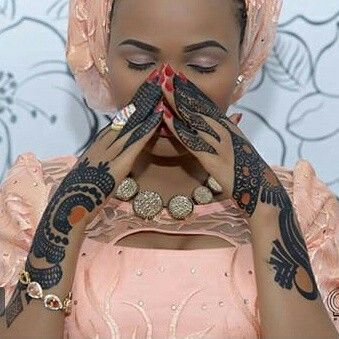
Henna: A natural tradition rooted in beauty, health, and heritage, by Gift Luckson
Henna is a natural dye made from the leaves of the henna plant (Lawsonia inermis), which grows mainly in parts of Africa, the Middle East, South Asia, and North Africa.
The origins of the initial human uses of henna are uncertain; however, there are records that the plant was marketed in Babylonia, and was used in Ancient Egypt on some mummies to dye their hair, skin, nails, or funeral wrappings. It arrived in the Maghreb region during the Punic civilisation through the Phoenician Diaspora, where it was used as a beautification tool.
Pliny the Elder wrote about its use in the Roman Empire as a medicine, a perfume, and a dye.
Ancient Fashion
For centuries, henna has been used for body art, hair colouring, and traditional ceremonies.
Traditionally, henna leaves are dried, ground into a fine powder, and mixed with water or natural liquids to form a paste. This paste is applied to the skin or hair.
On the skin, henna creates temporary designs that start as a greenish-brown colour and deepen into shades of reddish-brown over time.
These designs usually last one to three weeks, depending on skin type and aftercare.
Cultural Roles
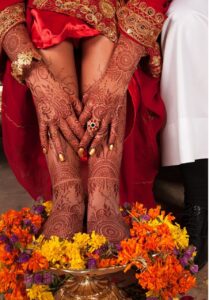
Henna plays important cultural roles in many societies. It is commonly used during weddings, festivals, and religious celebrations.
In many cultures, applying henna symbolises joy, beauty, blessings, and protection.
Bridal henna, often called mehndi, is especially popular and features detailed, artistic patterns on the hands and feet.
Hair Fashion
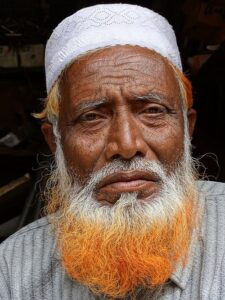
Beyond body art, henna is also used as a natural hair dye and conditioner. It can strengthen hair, add shine, and give a reddish tint without the harsh chemicals found in synthetic dyes.
Natural henna is generally safe when used properly, but it is important to avoid “black henna,” which may contain harmful chemicals that can cause skin reactions.
Natural and Healthy
Pure, natural henna is usually greenish-brown and made only from plant-based ingredients.
Overall, henna remains a cherished tradition and a form of artistic expression, connecting people to culture, history, and natural beauty.
Follow the Neptune Prime channel on WhatsApp:
Do you have breaking news, interview request, opinion, suggestion, or want your event covered? Email us at neptuneprime2233@gmail.com