


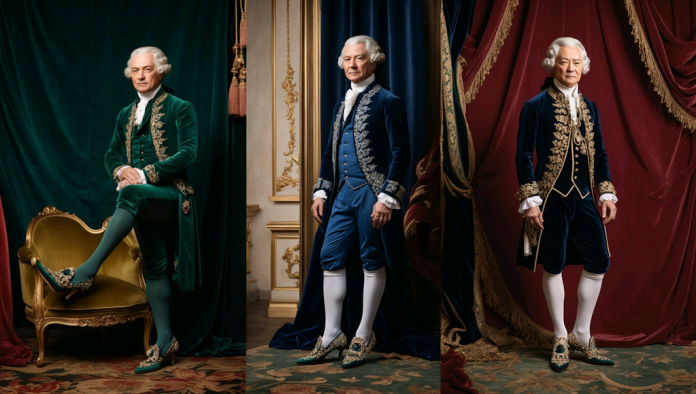
How high heels evolved from symbols of status to global fashion trend
High heels are undergoing a massive transformation. For a long time, the narrative around heels was a strict binary: you either suffered through sky-high, spine-realigning stilettos for the sake of fashion, or you opted for flat shoes.
History
Starting in the 10th century, the Persian cavalry wore galesh, a kind of boot with heels, to ensure their feet stayed in the stirrups.
Heeled shoes also ensured the safety of Persian arrow-shooting riders, while standing up on galloping horses.
This utility of the heel for horseback riders has been preserved in the Western cowboy boot. Wearing heels became associated with wealth because of its traditional connection with horseback riding, which was expensive and time-consuming.
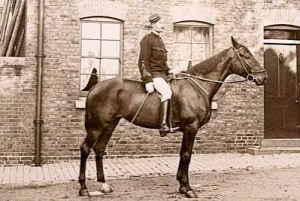
This practical use of the heel set the standard for most horseback riding shoes throughout history and into the present day.
Modern high heels were brought to Europe by Persian emissaries of Abbas the Great in the early 17th century. Men wore them to imply their upper-class status; only someone who did not have to work could afford, both financially and practically, to wear such extravagant shoes.
Royalty such as King Louis XIV wore heels, and his predecessor King Louis XIII introduced the red heel to the court of French nobility. As the shoes became a fashion trend, other members of society began donning high heels, and some elite members ordered their heels to be made even higher to distinguish themselves from the lower classes.
As women began to wear heeled shoes in the mid-to-late 17th century, societal trends moved to distinguish men’s heels from women’s heels. By the 18th century, men wore thick heels, while women wore thin ones.
Over the course of the Enlightenment, men’s heels began to concentrate on either practical riding boots or tall leather boots worn for status.

In the late 1780s, the societal implications of wearing high and thin heels became fixed: high, thin heels represented femininity and the supposed superficiality and extravagance of women.
Modern Footwear
Today, design innovation has completely torn up that rulebook. Modern footwear is prioritising a fusion of architectural art and wearable comfort.
The Major Movements in Heel Design
1. The Low-Slung Revival (Kitten & Wedge)
The tiny-heel revolution is leading the pack. Low-profile heels are dominating city street style because they offer a subtle elevation without sacrificing mobility.
Pointed-toe slingbacks featuring slim, architectural kitten heels have become a favourite for pairing with oversized tailoring, wide-leg denim, and midi skirts alike.
2. Sculptural and Wearable Art
Heels are no longer just support pillars—they are the main attraction. Designers are treating the heel base like a miniature gallery space.
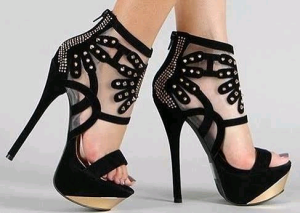
We are seeing geometric column heels, spheres, metallic spirals, and hardware integrations that make the shoe look like a piece of abstract sculpture when viewed from the side or back.
3. The Re-engineered Platform
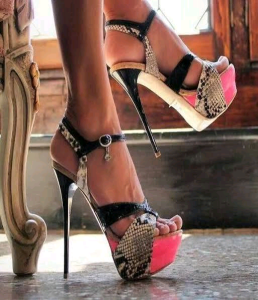
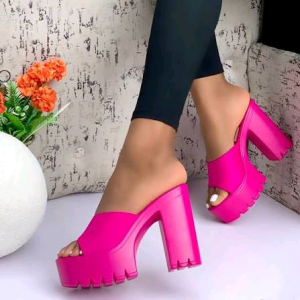
For those who still love serious height, the modern platform has been heavily re-engineered. Moving away from the harsh, clunky aesthetics of previous decades, today’s platforms lean into ergonomic curves, lightweight block structures, and wider toe boxes to distribute body weight much more evenly.
Finding Your Fit: A Quick Guide to Heel Types
The Podiatrist’s Golden Rule: If you are wearing higher heels, look for shoes with a wider toe box or an ankle strap. Ankle straps anchor the foot securely into the shoe’s heel cup, preventing your toes from sliding forward and jamming against the front—the main cause of blister pain.

Follow the Neptune Prime channel on WhatsApp:
Do you have breaking news, interview request, opinion, suggestion, or want your event covered? Email us at neptuneprime2233@gmail.com