Nigeria’s foreign reserve rises to $46bn
Nigeria’s foreign reserves have risen to their highest level in seven years, reaching $46.7bn as of November 14, 2025, the Central Bank of Nigeria (CBN) announced on Tuesday.
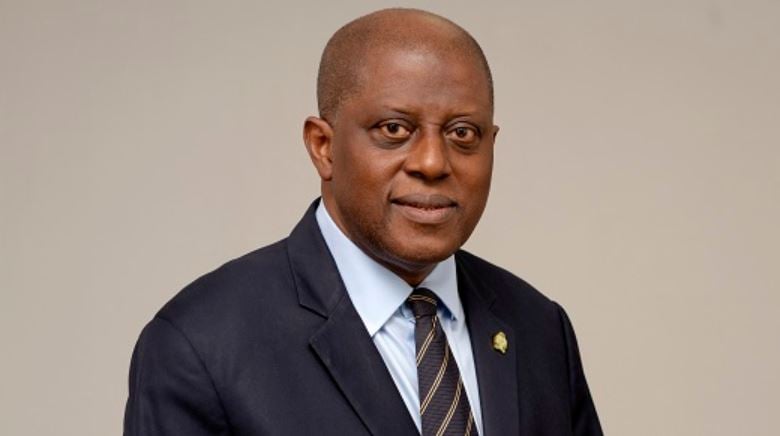
CBN Governor Olayemi Cardoso, represented by Deputy Governor for Economic Policy Dr. Muhammad Abdullahi, said the milestone marks the first time since 2018 that the country has attained such a robust reserve position. Speaking in Abuja at the 20th Anniversary of the Monetary Policy Department (MPD), he attributed the surge to renewed investor confidence, improved oil earnings, and stronger balance-of-payments inflows.
Cardoso noted that the current reserve level provides 10.3 months of import cover, boosted by sustained inflows and a resurgence of foreign portfolio investment across asset classes. He said the healthier reserve position has been instrumental in stabilising the naira, with the gap between the official and Bureau de Change rates narrowing to below 2 per cent.
READ ALSO: Nigeria’s current account surplus rises sharply to $5.28 billion in Q2 2025 — CBN
According to him, clearer policy directions and tighter monetary conditions have encouraged renewed foreign participation in Nigeria’s fixed-income and money markets.
The CBN governor also highlighted the broader macroeconomic gains from recent reforms, noting that sustained disinflation has pushed headline inflation down to 16.05 per cent in October 2025—a sharp drop from the 34.6 per cent peak recorded in November 2024. He described it as seven consecutive months of declining inflation and the lowest level in three years.
Cardoso said these improvements have earned Nigeria global recognition, with all three major international rating agencies upgrading the country. He further pointed to Nigeria’s removal from the Financial Action Task Force Grey List as evidence of alignment with global financial standards.
Reflecting on two decades of monetary policy evolution, he credited the MPD with several landmark reforms, including the introduction of the Monetary Policy Rate (MPR), the adoption of the interest-rate corridor system, and the transition toward inflation targeting.
READ ALSO: CBN eases monetary policy, cuts interest rate to 27%
MPD Director Dr. Victor Oboh, in his remarks, said Nigeria’s economic recovery had become strong enough for citizens to “see a brighter future” after years of instability. He recalled the fragile state of the economy when he joined the CBN in 2023, describing the period as one marked by high inflation, depleted reserves, and a mismanaged foreign exchange system.
Oboh noted that ongoing reforms—though challenging—are gradually restoring monetary stability, strengthening the FX market, and rebuilding trust. However, he stressed the need for better alignment of fiscal and monetary policies to sustain the gains.
Guest Lecturer Prof. Abdul-Ganiyu Garba provided an extensive review of the evolution of economic thought, while IMF Resident Representative Dr. Christian Ebeke reaffirmed the Fund’s support for Nigeria’s ongoing reforms.
The PUNCH observed that the reserve surge follows the Federal Government’s recent $2.35bn Eurobond issuance, which, alongside rising FX inflows, has helped lift reserves to their strongest level since 2018.
Follow the Neptune Prime channel on WhatsApp:
Do you have breaking news, interview request, opinion, suggestion, or want your event covered? Email us at neptuneprime2233@gmail.com