The rise and fall of Memphis, Egypt’s influential and ancient city, by Falmata Ma’aji Muhammad
Story by Falmata Ma’aji Muhammad (Student at Helwan University, Cairo, Egypt)
Memphis was one of the most influential cities of the ancient world and the earliest capital of a unified Egypt. Located about 24 kilometres south of modern Cairo on the West Bank of the Nile River, the city stood at the gateway between Upper and Lower Egypt.
From this strategic position, Memphis served for centuries as the political, administrative, and religious heart of Egyptian civilisation. Because of this geography, the city became the ideal seat of power for the early pharaohs.
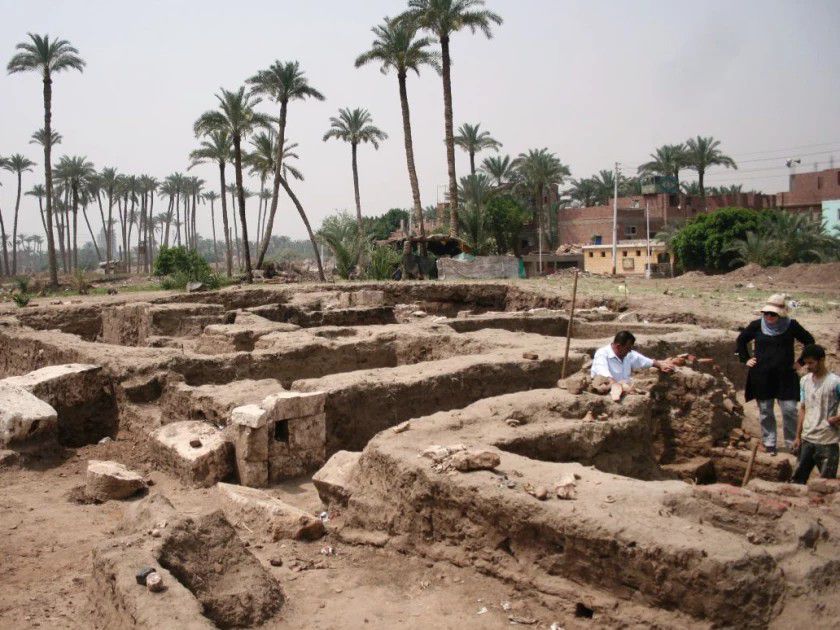
Remains
Today, the archaeological remains of Memphis are located near the modern village of Mit Rahina. The site forms part of the vast Memphis Necropolis, which includes the famous pyramid fields of Giza, Saqqara, Abusir, and Dahshur.
The Rise of Memphis
According to Egyptian tradition, Memphis was founded around 2900 BCE by King Menes, the ruler credited with uniting Upper and Lower Egypt into a single kingdom.
The city was originally known as Ineb-Hedj, meaning “White Walls,” possibly referring to the whitewashed palace that dominated the early settlement.
Memphis reached its height during the Old Kingdom (c. 2686–2181 BCE), when it served as the administrative centre of Egypt. From here, pharaohs directed monumental construction projects that produced some of the most famous structures in world history.
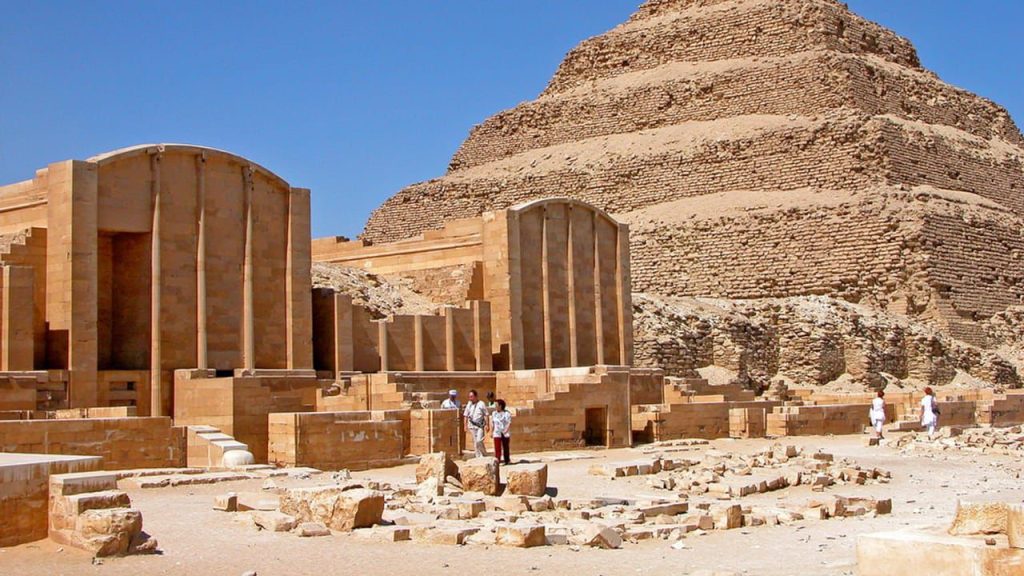
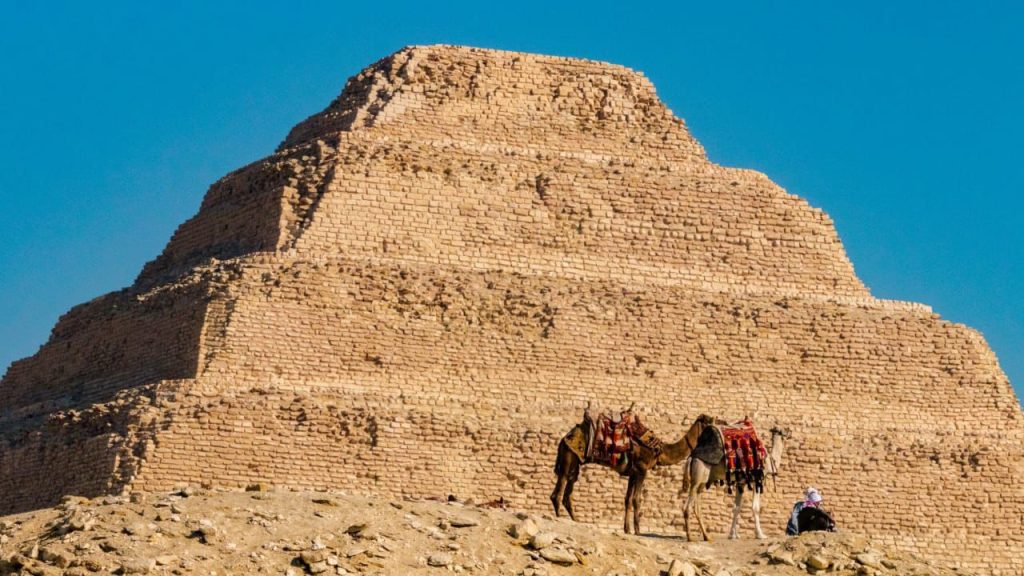
Nearby Saqqara became the burial ground of Memphis’s rulers. There stands the Step Pyramid of King Djoser, designed by the architect Imhotep in the 26th century BCE, widely considered the earliest monumental stone building in Egypt.
Religious and Cultural Importance
Memphis was also one of the most important religious centres in ancient Egypt. The city was dedicated to the god Ptah, revered as the patron deity of craftsmen and architects. His temple complex dominated the city and attracted priests, artisans, and pilgrims from across Egypt.
Priests of Memphis developed an important theological doctrine known as the Memphite Theology, which described creation as emerging through the divine thought and speech of Ptah. This concept demonstrates the intellectual sophistication of Memphis’s religious institutions.
Decline of the Ancient Capital
Although Memphis remained important for centuries, its political prominence declined as new capitals emerged. Thebes became dominant during the New Kingdom, while Alexandria later rose to prominence during the Greek and Roman periods.
Following successive invasions by Nubians, Assyrians, Persians, and Macedonians, the city gradually lost influence. After the Arab conquest of Egypt in the 7th century CE, Memphis was largely abandoned, and many of its stones were reused in nearby settlements.
Memphis Today
Today the ruins of Memphis remain one of the most important archaeological landscapes in the world. In 1979, UNESCO designated “Memphis and its Necropolis the Pyramid Fields from Giza to Dahshur” as a World Heritage Site in recognition of its outstanding historical significance.
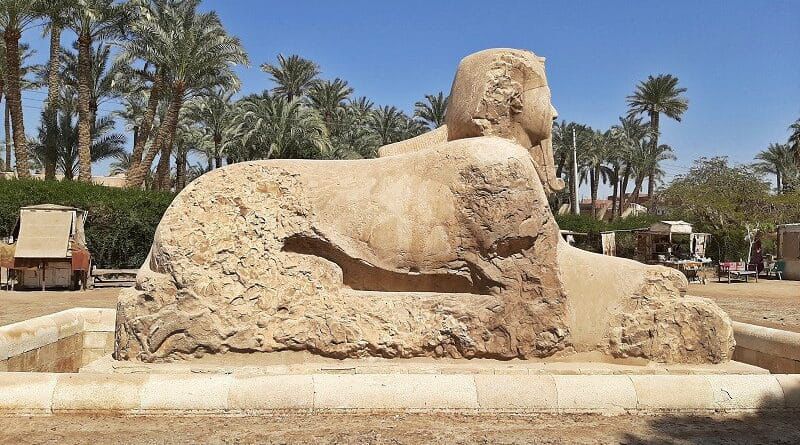
Visitors can explore the Memphis Open-Air Museum, where statues, temple remains, and monumental sculptures reveal the former grandeur of Egypt’s earliest capital.
Cultural Legacy
Memphis represents the foundation of Egypt’s political and cultural identity. As the capital during the Old Kingdom and the centre of worship for the god Ptah, the city shaped Egyptian governance, religion, and architecture.
Although much of the ancient city has disappeared, its surrounding necropolis, home to the pyramids and royal tombs of Giza, Saqqara, Abusir, and Dahshur continues to testify to the extraordinary civilisation that flourished along the Nile thousands of years ago.