The Napata Legacy: Faith and resilience in ancient Sudan, by Falmata Ma’aji Muhammad
Story by Falmata Ma’aji MUHAMMAD (Student at Helwan University, Cairo, Egypt)
Napata, nestled along the Nile in northern Sudan, was the spiritual heartbeat of the Kushite kingdom, it became both a political capital and a religious sanctuary, shaping the destiny of Kush and Egypt alike.
Location
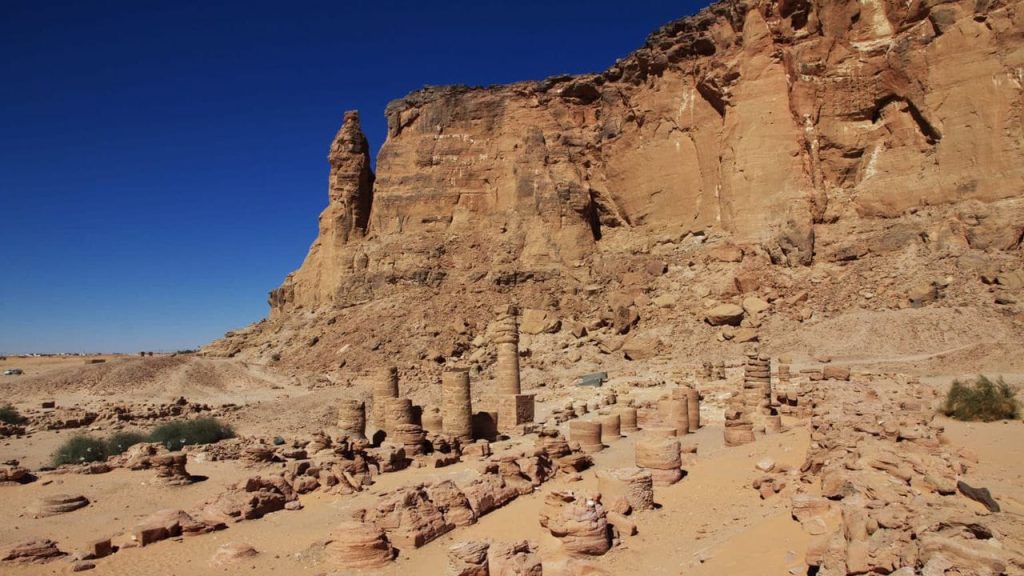
Napata lay near modern-day Karima, Sudan, just below the Fourth Cataract of the Nile. Its most iconic landmark, Jebel Barkal, rose dramatically above the desert, a natural monument that ancient peoples believed was the dwelling place of Amun. Surrounding Napata were royal cemeteries at El-Kurru and Nuri.
History
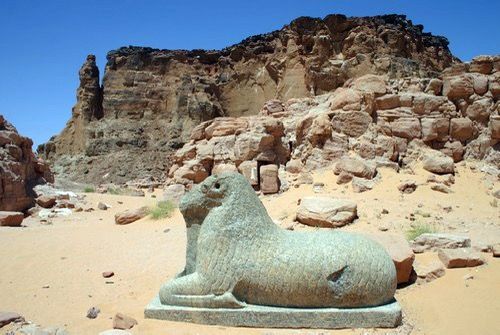
Napata’s history unfolds like the story of a city born in the shadow of an empire, transformed into the beating heart of a kingdom, and remembered as a sacred capital long after its political power faded.
It began in the 15th century BCE when Egyptian pharaohs, expanding southward, established Napata as a frontier outpost. The presence of Jebel Barkal, a striking mountain believed to be the dwelling place of Amun, gave the site a spiritual aura that Egyptians and Kushites alike revered. Over time, Napata grew beyond its role as a provincial station, becoming the centre of Kushite identity.
By the 8th century BCE, Napata had risen to prominence as the capital of Kush. From here, King Piye launched his celebrated campaign into Egypt, uniting the Nile Valley under Kushite rule and founding the 25th Dynasty. His successors, including Shabaka and Taharka, ruled Egypt as pharaohs, blending Egyptian traditions with Kushite strength. This was Napata’s golden age, when its kings were not only rulers but guardians of divine authority, crowned beneath the shadow of Jebel Barkal.
Resilience
The city’s fortunes shifted in 593 BCE when Egyptian forces attacked, weakening its political role. The Kushite kings moved their capital to Meroë, deeper into Nubia, where they could resist Egyptian influence more securely. Yet Napata did not vanish; it remained the spiritual capital of Kush, the place where coronations were held and rituals performed, a city whose sanctity outlasted its political decline.
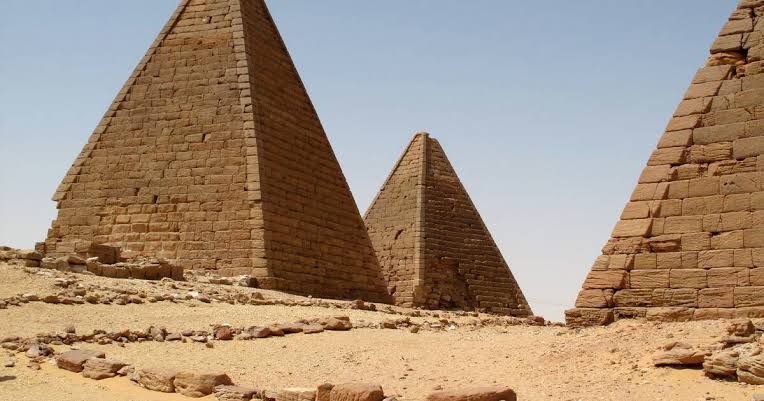
For centuries, Napata’s pyramids at Nuri and El-Kurru, along with its temples carved into Jebel Barkal, stood as symbols of a civilisation that bridged Africa and Egypt.
Cultural significance
Napata was the spiritual capital of Kush, where kings were crowned and divine legitimacy was affirmed. The cult of Amun flourished here, blending Egyptian traditions with Kushite identity. Even after losing political dominance, Napata remained the soul of the kingdom, a place of pilgrimage and ritual.
Architectural Background
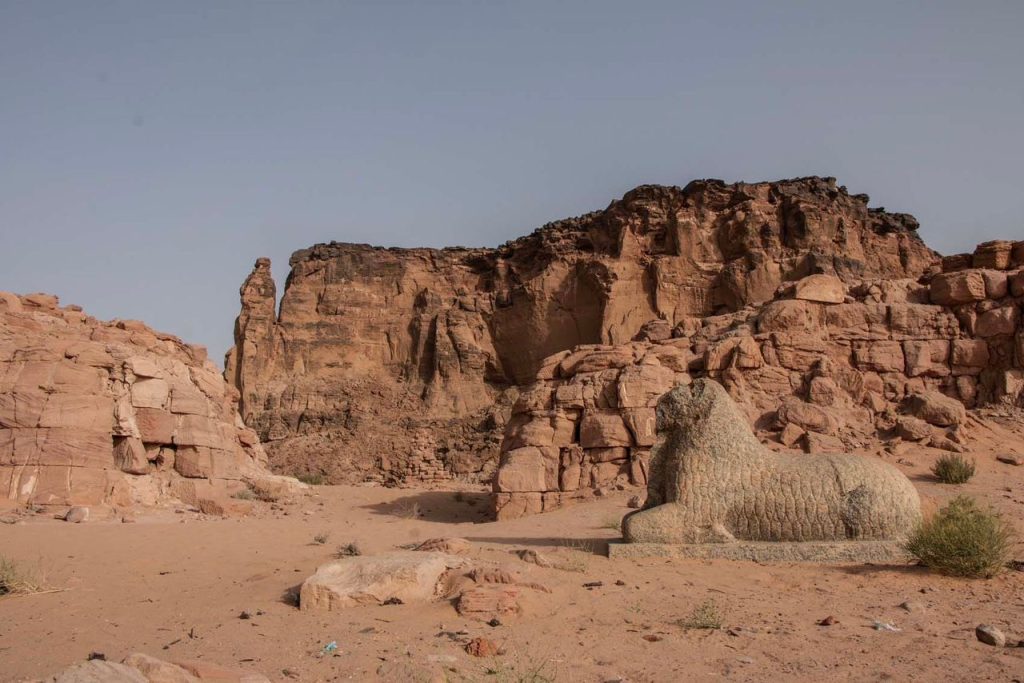
•Jebel Barkal Temples: Carved into the sacred mountain, dedicated to Amun and other deities.
•Royal Pyramids: Distinctive Kushite pyramids at Nuri and El-Kurru, smaller and steeper than Egyptian ones, yet equally symbolic of royal power.
•Fusion of Styles: Napatan architecture combined Egyptian temple layouts with local innovations, reflecting a cultural crossroads.