Isfahan: An ancient Iranian city of enduring global significance, by Falmata Ma’aji Muhammad
Story by Falmata Ma’aji MUHAMMAD (Student at Helwan University, Cairo, Egypt)
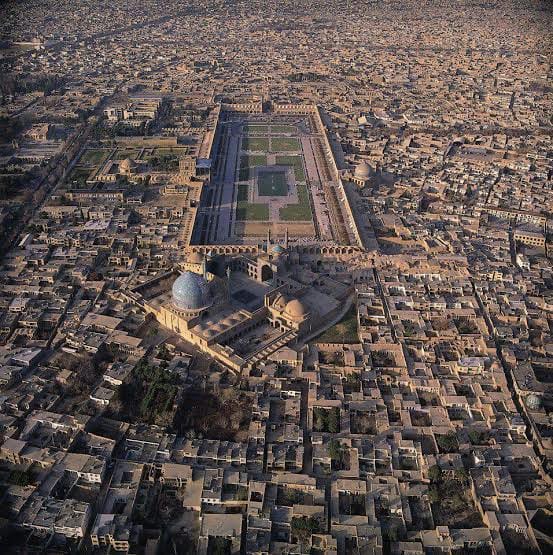
Isfahan is a historic city in central Iran, about 440 kilometres south of Tehran, lying along the Zayandeh River. Today, it is the capital of Isfahan Province and one of Iran’s largest cities.
Ancient Roots
People have lived in Isfahan since the Stone Age. Over time, it grew into an important centre because of its location on trade routes. The Medes, Achaemenids, Parthians, and Sassanids all left their mark on the city. In 642 CE, Muslim Arabs took control, and Isfahan became a provincial capital.
Its greatest period came under the Safavid dynasty, when Shah Abbas the Great made it his capital in 1598. The saying “Isfahan is half the world” shows how grand and important it was at that time.
A Cultural Crossroads
Isfahan has always been a place where cultures meet. In the 17th century, Armenians settled in the New Julfa district, bringing new traditions and trade connections. The city’s bazaars, caravanserais, and mosques made it a centre of commerce and learning. Poets, artists, and scholars thrived here, shaping Persian culture in lasting ways.
Architecture That Defines an Era
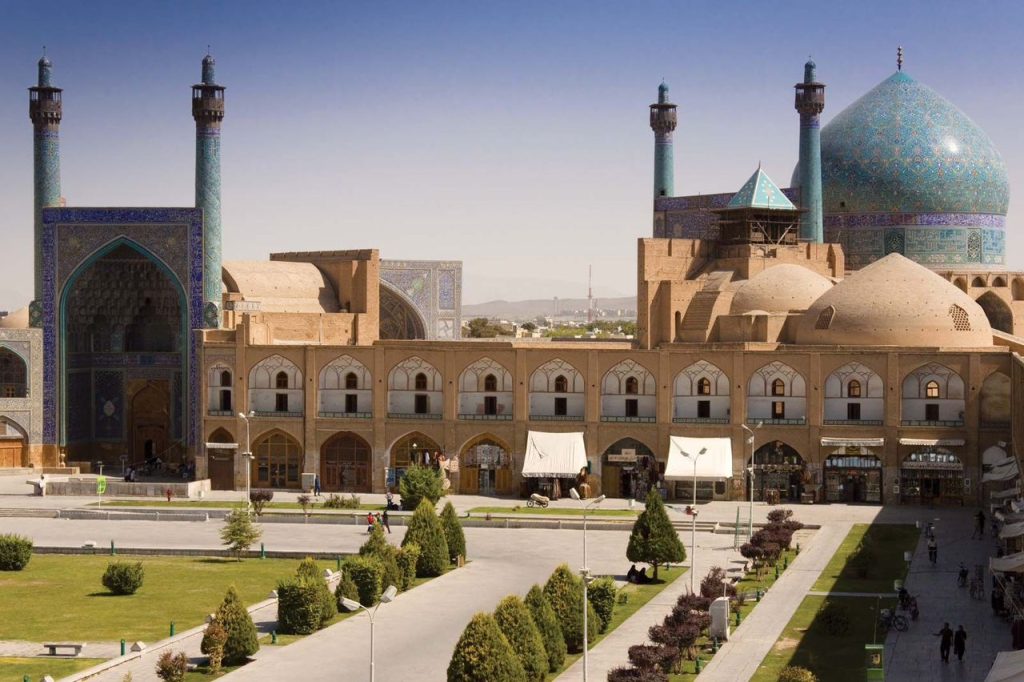
Isfahan’s buildings are among its greatest treasures. At the heart of the city is Naqsh‑e Jahan Square, a UNESCO World Heritage Site. Around it stand the Shah Mosque, the Sheikh Lotfollah Mosque, and the Ali Qapu Palace, all decorated with colourful tiles, tall domes, and elegant designs.
The city’s bridges, like Si‑o‑se‑pol and Khaju, are admired not only for their engineering but also for their beauty. Wide boulevards, gardens, and waterways gave Isfahan the look of paradise on earth.
READ ALSO: Amur leopard: The elusive “ninja” and master of survival, by Fatima Ma’aji Muhammad
A City of Faiths
Religion has always been central to Isfahan’s identity. In ancient times, Zoroastrian fire temples stood here, and during the rule of Cyrus the Great, Jewish communities settled in Yahudia.
With the arrival of Islam in the 7th century, Isfahan became a major centre of Islamic worship and learning. The Safavid dynasty built its most famous mosques, including the Shah Mosque and the Sheikh Lotfollah Mosque, which remain symbols of Persian‑Islamic art.
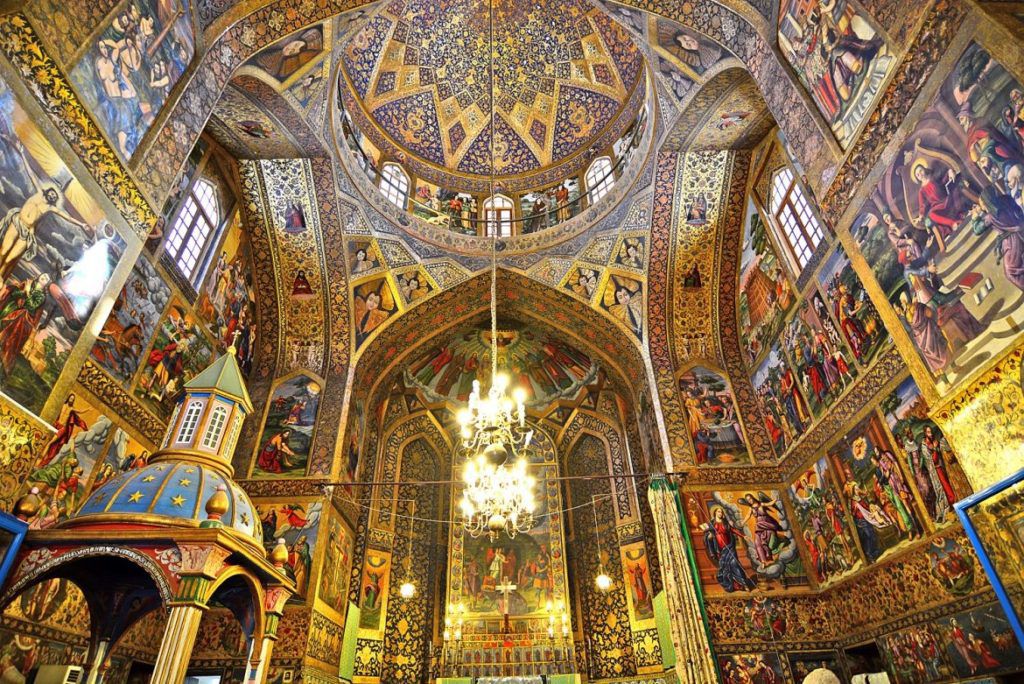
At the same time, the Armenian quarter of New Julfa became home to churches like Vank Cathedral, showing how Christianity also found a place in the city. Synagogues and shrines added further layers, making Isfahan a city where multiple faiths have coexisted for centuries.
Military Might
According to some sources, the Polyacryl Iran Corporation, the Linear Alkyl Benzene Complex, and the Chemical Industries Group in Isfahan serve as installation sites for chemical weapons.
Reports from the NCRI asserted that nerve agents produced near Semnan were delivered to a missile plant in Isfahan for integration into ballistic-missile warheads, such as those of the Scud-B.
The Chemical Industries Group (CIG), headquartered in the city, is widely described as the backbone of Iran’s weapons industry. According to United States intelligence assessments, CIG also manufactures solid-fuel propellant powders for the country’s ballistic missile and rocket artillery programmes.
READ ALSO: The Aye-Aye: One of the forest’s most unusual nocturnal hunters, by Fatima Ma’aji Muhammad
Within this conglomerate, a modern chemical complex erected by Sweden’s Bofors company in the late 1970s as a dual-use fertiliser-and-explosives facility did not begin operations until 1987, due to Iraqi artillery and missile strikes during the Iran–Iraq War.
The Islamic Revolutionary Guard Corps Aerospace Force (IRGC AF) has an airbase in the city. The Islamic Republic of Iran Air Force (IRIAF) has an airbase, the 8th Predator Tactical Fighter Base (TFB.8), which is the home base for Iranian F-14s.
The local Sepah Pasdaran is named “Master of the Era” (“Sepah saheb al zaman [Fa]” in Arabic and Farsi), after the Mahdi.
The Amir Al-Momenin University of Military Sciences and Technology is based in the city.