Reps pass ₦58.47tn 2026 budget for second reading.
Story by Martha Gwary
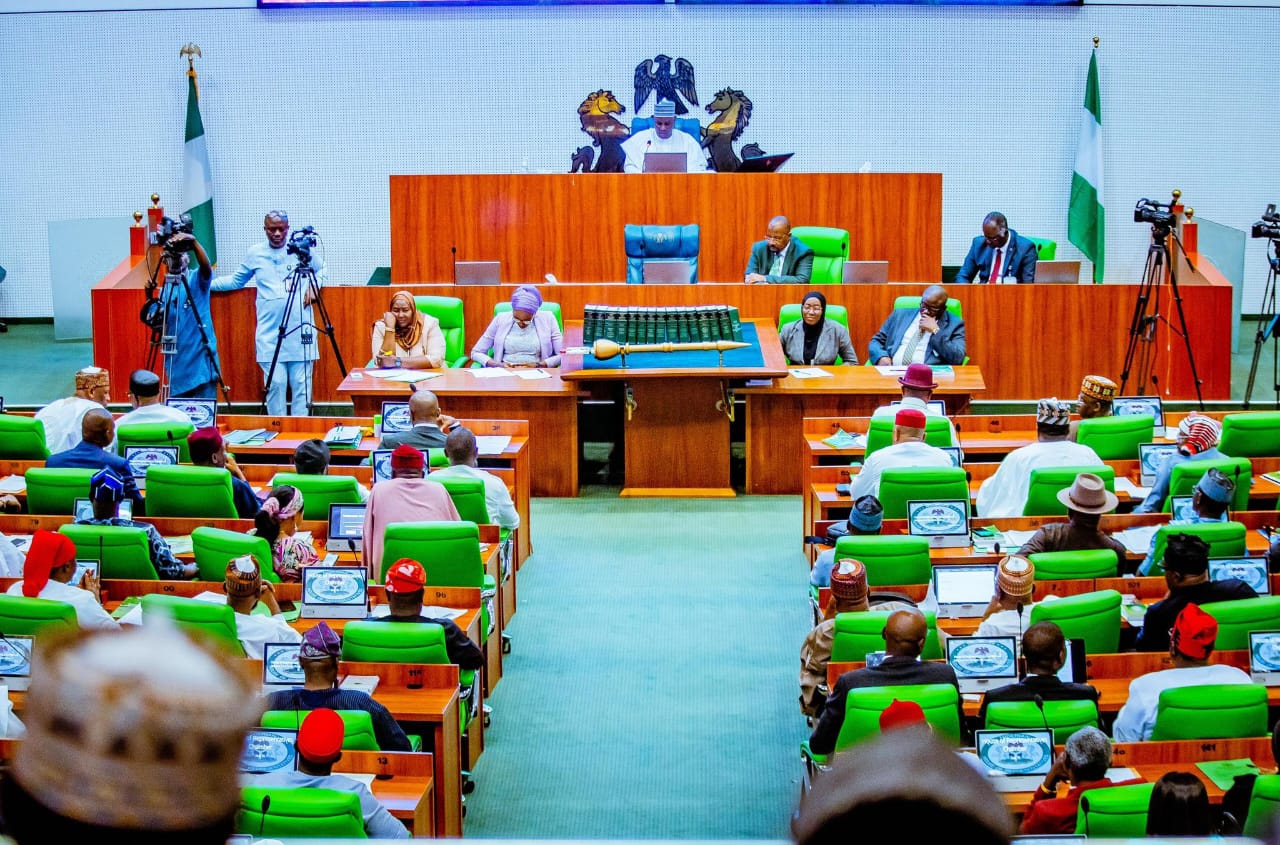
The House of Representatives on Thursday passed the proposed ₦58.47 trillion 2026 Appropriation Bill for second reading, paving the way for detailed legislative scrutiny.
The budget proposal, which is anchored on macroeconomic stability, improved security and increased funding for capital projects nationwide, is titled “The Budget of Consolidation, Renewed Resilience and Shared Prosperity.” President Bola Tinubu presented it to a joint session of the National Assembly on December 19, 2025.
READ ALSO: Gambling and the false promise of instant riches among young people, by Martha Gwary
Leading the debate on the general principles of the bill, the House Leader, Prof. Julius Ihonvbere, said President Tinubu assumed office at a particularly challenging time, noting that the ongoing reforms were bound to involve short-term pains and inconveniences.
“Development that is not sustainable is not development at all,” Ihonvbere said, stressing that the current economic reforms would, in the long run, deliver broad-based and sustainable prosperity.
He urged lawmakers to support the proposal, citing reasons for optimism, including a projected economic growth rate of 3.98 per cent in 2026, a decline in inflation to 14.45 per cent from about 25 per cent, improved government revenues, export growth and increased foreign direct investment.
According to him, the naira has stabilised at about ₦1,400 to the dollar, improving from levels above ₦1,800, while external reserves have risen to a seven-year high of approximately $47 billion, enough to cover more than 10 months of imports.
“We have not printed a single naira since this government came into office. That fiscal discipline has helped to stabilise the economy,” he said.
READ ALSO: Homecoming to Death: The tragic fate of Nigerian returnees, by Martha Gwary
The budget projects total revenue of ₦34.33 trillion against total expenditure of ₦58.18 trillion, leaving a deficit of ₦23.85 trillion. Non-debt recurrent expenditure is estimated at ₦15.25 trillion, while capital expenditure is put at ₦26.08 trillion.
“This represents a clear departure from the past, where recurrent spending outweighed capital investment. In this proposal, capital expenditure is higher, which is what drives real development,” Ihonvbere added.
Key assumptions underlying the 2026 budget include an oil benchmark price of $64.85 per barrel and daily oil production of 1.84 million barrels.
READ ALSO: When Online Posts Become Fatal: Exposing the dark side of social media in Nigeria, by Martha Gwary
Sectoral allocations indicate a strong focus on security and defence, with ₦5.41 trillion earmarked to tackle insecurity and food challenges. Infrastructure is allocated ₦3.56 trillion, education ₦3.54 trillion, and health ₦2.48 trillion.
Ihonvbere called on lawmakers to diligently carry out their oversight responsibilities, saying, “We are not saying the government is perfect, but it is our duty, as representatives of 360 constituencies, to guide it to do the right things at all times.”
READ ALSO: Hotels in Nigeria: When comfort turns deadly, by Martha Gwary
With no contributions from members during the debate, Speaker Tajudeen Abbas put the bill to a voice vote, and it was overwhelmingly approved for second reading.
The Speaker subsequently announced a two-week recess to allow members to work on the budget details ahead of its final passage. The House is expected to resume on February 17, 2026.
Follow the Neptune Prime channel on WhatsApp:
Do you have breaking news, interview request, opinion, suggestion, or want your event covered? Email us at neptuneprime2233@gmail.com