The Bassa Nge People: A showcase of heritage, festivals, and skilled craftsmanship, by Tawheed Yakub
The Bassa Nge are one of Nigeria’s remarkable yet lesser-known tribes, deeply rooted in the cultural and historical landscape of the Middle Belt. Predominantly found in Kogi State, with communities stretching across the Niger–Benue Confluence and into parts of Niger and Nasarawa States, the Bassa Nge embody a unique blend of Nupe ancestry, riverine resilience, and confluence identity.
They are known for their hospitality, adaptability, and strong communal values traits that have guided them through centuries of migration, inter-ethnic contact, and transformation, from their Nupe origins to their present homeland.
Read also: The Kuteb People: Echoes of strength, culture and identity, by Salim Sani
Despite the waves of cultural and political change around them from the Nupe Kingdom of Gbara, through the Fulani incursions, colonial administration, and into modern Nigeria, the Bassa Nge have held firmly to their ancestral pride and continue to nurture a vibrant sense of identity anchored in tradition, language, and unity.
Origin and Early History
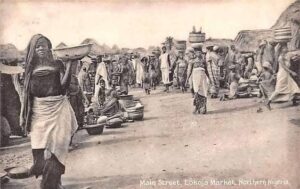
The Bassa Nge trace their ancestry to the Nupe people of the Middle Niger Valley, particularly from the ancient Nupe Kingdom of Gbara, one of the earliest centres of civilisation in Central Nigeria.
According to oral traditions and historical accounts documented by scholars such as Ya’akub Habi and Mohammed Aminu Mu’azu, the Bassa Nge were once part of the greater Nupe nation, sharing its language, customs, and systems of governance.
In the early 19th century a period marked by dynastic struggles and the Fulani jihād expansion, a segment of the Nupe population migrated southward from their homeland near Bida. Seeking safety and self-determination, they journeyed along the Niger River until they reached the confluence, where they finally settled in what is today Bassa Local Government Area of Kogi State.
Their leader, remembered in oral accounts as a descendant of the Nupe royal line, established the foundations of the Bassa Nge Kingdom with its seat at Gboloko, which remains their traditional headquarters under the authority of the Etsu Bassa Nge.
The name “Bassa Nge” is said to derive from a Nupe phrase meaning “this place is good,” symbolising their acceptance of the new homeland by the great rivers, a land that became both refuge and rebirth for their people.
Culture and Tradition
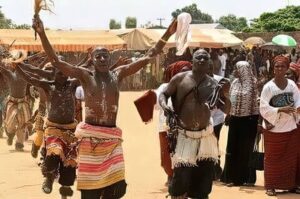
The Bassa Nge culture is a living bridge between Nupe heritage and Confluence traditions. Their language, Nupe-Tako, is a dialect of the Nupe language enriched by influences from Igala, Hausa, and other neighbouring tongues, a reflection of centuries of coexistence with surrounding peoples.
They maintain a deeply communal lifestyle, guided by cooperation, respect for elders, and reverence for ancestors. Villages are organised around extended family compounds, each led by a patriarch who represents the household in community councils.
Traditional religion among the Bassa Nge honours ancestral spirits, river deities, and protective charms believed to ensure fertility, peace, and prosperity. Sacred groves and riverbanks often serve as sites for rituals, particularly during harvest or initiation ceremonies.
Over time, Islam and Christianity have taken strong roots within the community. Yet, traditional festivals, proverbs, and oral histories remain vital, blending faith and heritage in a way that reflects tolerance, continuity, and cultural strength.

Marriage Customs
Marriage among the Bassa Nge is both a family alliance and a community celebration. Traditionally, courtship begins during festivals or communal gatherings. When a young man finds a potential bride, his family sends respected elders to formally express interest.
The suitor is expected to demonstrate maturity and diligence through service, assisting on the bride’s family farm, providing gifts, or offering fish and food items from his harvest. The bride price is modest and symbolic, representing honour and unity rather than wealth or status.
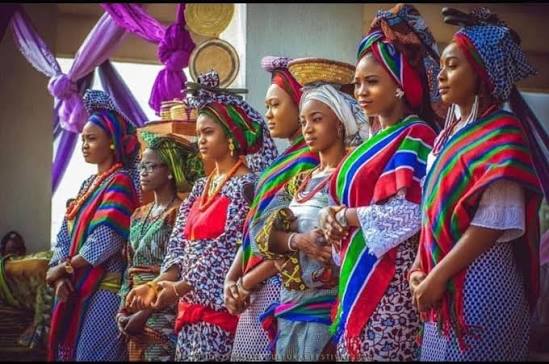
Wedding ceremonies are lively and colourful, marked by:
Drumming and flute music, exchange of gifts between families, feasting and communal dance, blessings from elders invoking ancestral favour.
Polygamy once existed but has become less common in modern times due to religious influence and economic realities. Today, marriage is valued for companionship, respect, and the continuation of family heritage.
Socio-Economic Life
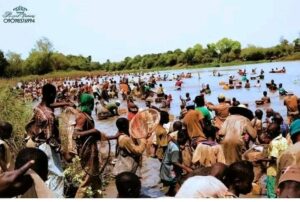
The Niger and Benue Rivers form the heart of Bassa Nge livelihood and identity. The people are primarily farmers and fishermen, cultivating yams, maize, cassava, rice, and millet. Their proximity to the river makes fishing not only a major source of food but also a symbol of continuity and connection to the land.
Women play a vital role in the community’s economy through farming, food processing, and trading in local markets. The Bassa Nge are also skilled artisans, known for their pottery, weaving, woodwork, and canoe-building crafts that have sustained generations.
Education and migration have broadened their horizons. Many Bassa Nge now serve in the civil service, the military, and academia across Nigeria, carrying the industrious spirit of their forefathers into modern professions.
Ceremonies and Cultural Practices
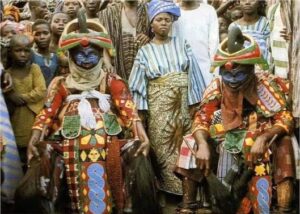
The Bassa Nge cultural calendar is rich with festivals that celebrate unity, fertility, and harvest. The Egbunu Festival remains one of the most significant, held in honour of ancestral spirits and community protectors through music, masquerade, and dance.
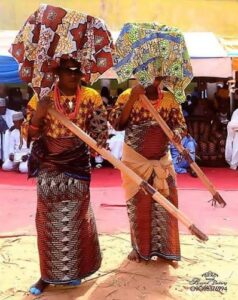
Festivals feature
Traditional drumming and horn music, masquerade processions symbolising ancestral presence, wrestling contests and youth initiation rites, storytelling, chants, and moonlight plays.
These celebrations are more than entertainment; they reaffirm social bonds, transmit oral traditions, and link the living with their ancestors.
Rites of passage from birth to adulthood and elderhood are performed with reverence, ensuring that each generation inherits the wisdom, songs, and values of the past.
Challenges
In the face of modernity, the Bassa Nge continue to navigate a range of challenges:
Language endangerment, as younger generations shift toward Hausa and English. Limited political representation, compared to larger regional groups.
Poor infrastructure and under-development in rural areas. Security concerns in some riverine communities.
Despite these challenges, the Bassa Nge have shown remarkable resilience. Cultural organisations and the office of the Etsu Bassa Nge are actively promoting language revitalisation, youth empowerment, and community education ensuring that their traditions are neither forgotten nor diluted.
Legacy and Continuity
The story of the Bassa Nge is a testament to endurance, adaptability, and cultural pride. Their journey from the ancient city of Gbara to the tranquil banks of Gboloko speaks of a people who turned displacement into destiny and heritage into strength.
An elder once remarked by the banks of the Niger, “Our fathers crossed the river not to lose their name, but to find a new land for it.”
That single line captures the essence of the Bassa Nge spirit, a people whose history flows like the rivers beside them, deep, unbroken, and full of life.
Today, in every rhythm of their drum, every paddle stroke on the Niger, and every word of the Nupe-Tako tongue, the Bassa Nge echo a living heritage a people standing proudly at the crossroads of Nigeria’s past and future.
Follow the Neptune Prime channel on WhatsApp:
Do you have breaking news, interview request, opinion, suggestion, or want your event covered? Email us at neptuneprime2233@gmail.com