The Tiv People: Guarding traditions that stand strong through generations, by Tawheed Yakub
The Tiv are one of Nigeria’s most prominent and culturally dynamic ethnic groups, renowned for their deep sense of identity, communal solidarity, and vibrant social traditions.
Predominantly found in present-day Benue State, with significant populations in Taraba, Nasarawa, Plateau, and parts of Cameroon, the Tiv people have carved a unique place in the cultural landscape of Nigeria.
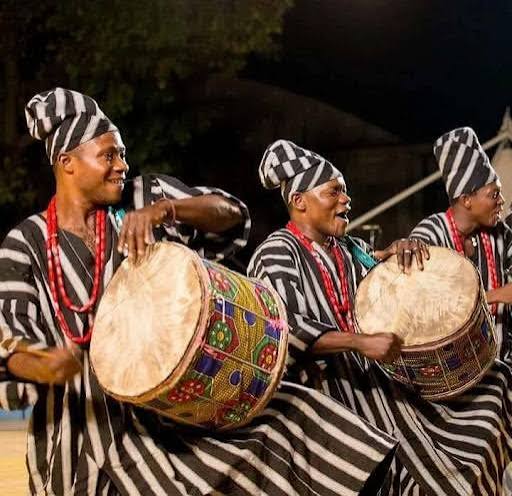
Recognisable by their iconic black-and-white A’nger cloth, rich storytelling tradition, and historically decentralised political structure, the Tiv embody a heritage shaped by migration, warfare, diplomacy, and agriculture. Despite numerous external influences, from precolonial interactions to Nigeria’s modern political system, the Tiv continue to uphold an enduring worldview anchored in kinship, ancestral values, and stewardship of the land.
Origin and Early History
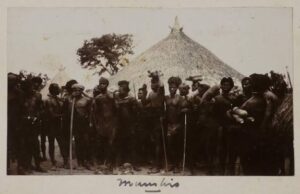
Tiv oral tradition traces their origin to Takuruku, considered the ancestral father from whom all Tiv descendants emanate. Their earliest known migration patterns suggest movement from the Congo Basin area northwards into the Benue Valley several centuries ago.
By the 1500s–1600s, the Tiv had fully settled in the fertile plains surrounding the River Benue, where they established clusters of autonomous, lineage-based communities. Their society evolved without a centralised monarchy. Instead, governance was rooted in extended families headed by elders, a system known for its democratic and consultative character.
This decentralised structure, unlike the emirates and kingdoms surrounding them shaped Tiv political identity: leadership earned by wisdom, age, and demonstrated character rather than royal inheritance.
The Tiv became known historically for their farming skill, defensive warfare strategies, migration into new territories in search of fertile land, and strong kinship loyalties.
These values guided them through eras of tribal warfare, slave-raiding pressures, British colonial intrusion, and the formation of modern Nigerian society.
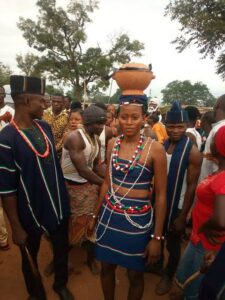
Culture and Tradition
Tiv culture is vibrant, expressive, and strongly communal. Their social life revolves around ityo (lineage), tar (clan), and mbaav (extended family compounds). Every Tiv person can trace their lineage with remarkable detail, reflecting the importance placed on ancestry and identity.
The Tiv language, Tiv, a Southern Bantoid language remains a central pillar of cultural memory, used in songs, proverbs, praise chants, folktales, and ritual expressions.
Traditional Tiv religion reveres several spiritual forces, the most prominent being Aondo (the Supreme Being) and Tsav (a mystical force associated with power, wisdom, and influence). While Christianity today dominates religious life among the Tiv, many cultural beliefs and ancestral practices survive in symbolic and ceremonial forms.
Read also: The Bassa Nge People: A showcase of heritage, festivals, and skilled craftsmanship, by Tawheed Yakub
Tiv art and performance culture is world-famous for Kwagh-Hir theatre (a unique form of storytelling using masks, puppets, and dramatic enactments), rhythmic drumming and dance, carved masks and symbolic art, and oral literature rich with metaphor and ancestral wisdom.
These expressions reflect a people deeply connected to imagination, social commentary, and collective memory.

Marriage Customs
Marriage among the Tiv is a respected institution symbolising unity between families and the continuity of lineage. Historically, Tiv marriage involved several pathways including arranged unions, courtship, and community-endorsed agreements.
Traditional features include:
Exchange of gifts between families as symbols of respect.
Consultation of elders who guide and bless the union.
Music, dance, and storytelling accompany wedding festivities.
Celebration of the bride through adornment in Tiv regalia.
Tiv marriages emphasise cooperation and loyalty between extended families. Polygamy once existed more widely but has declined sharply in the modern era.
Ceremonies are colourful, lively, and marked by feasting, dancing, and blessings invoking prosperity and harmony.
Socio-Economic Life
Agriculture is the heartbeat of Tiv existence. The fertile Benue Valley has long sustained a farming culture that remains central to its identity.
The Tiv cultivate yams, cassava, guineacorn, maize, rice, soybeans and various vegetables. Livestocks such as goats, poultry, and cattle also form part of their rural economy.
The Tiv are widely recognised as one of Nigeria’s most dedicated agrarian communities, contributing significantly to the nation’s food production.
Artisanship thrives as well, including blacksmithing, pottery, weaving (especially the iconic A’nger cloth), and woodcarving.
In modern times, Tiv people increasingly excel in the military, academia, politics, business, media, and the creative arts. Education has expanded opportunities across generations, nurturing a strong presence in Nigeria’s intellectual and cultural spheres.

Challenges
Like many indigenous communities, the Tiv face contemporary pressures that challenge their cultural continuity and social stability.
Land disputes and territorial pressures, especially in border settlements.
Declining use of the Tiv language among some urban youths.
Economic hardship and underdevelopment in rural areas.
Security challenges in parts of Benue and neighbouring states.
Political underrepresentation, relative to population strength in some regions.
Despite these obstacles, the Tiv continue to adapt, mobilise, and protect their heritage through cultural organisations, community leadership, and the revitalisation of traditional arts like Kwagh-Hir.

Ceremonies and Cultural Practices
Tiv festivals and rituals reflect joy, community strength, and ancestral connection. These include Kwagh-Hir performances, combining satire, comedy, and folklore, new yam celebrations marking harvest success, wrestling contests showcasing bravery and skill
chants, drumming, and dance rituals honouring ancestors. Naming ceremonies and rites of passage for youth.
Every event reinforces unity, identity, and the values passed from one generation to the next.
The Tiv people stand today as one of Nigeria’s most influential cultural groups, resilient, expressive, and deeply connected to their ancestral roots. From their historic migrations into the Benue Valley to their modern contributions across Nigeria, they embody a tradition built on strength, kinship, creativity, and agricultural mastery.
Follow the Neptune Prime channel on WhatsApp:
Do you have breaking news, interview request, opinion, suggestion, or want your event covered? Email us at neptuneprime2233@gmail.com