


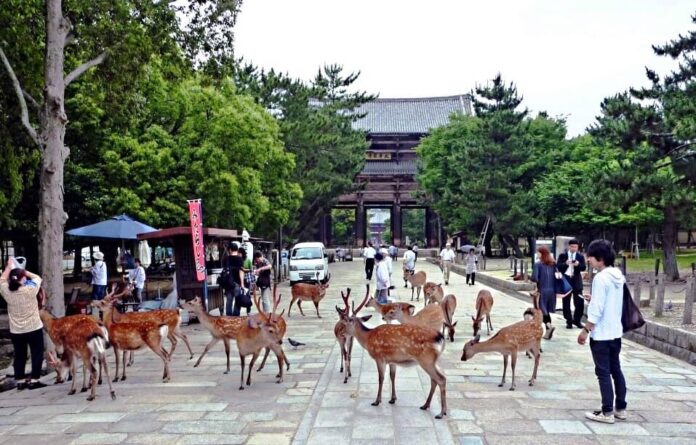
The ancient Japanese city where deer are regarded as heavenly animals, by Gift Luckson
Nara is one of Japan’s oldest and most important historic cities. It was founded around 710 AD under the historical name Heijō-kyō.
Population
As of 2022, Nara has an estimated population of 367,353 according to World Population Review, making it the largest city in Nara Prefecture and the sixth-largest in the Kansai region of Honshu.
Nara is a core city located in the northern part of Nara Prefecture, bordering Kyoto Prefecture.
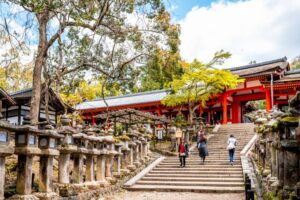
The city was Japan’s first permanent capital (710–794 AD), and the centre of early Japanese politics, culture, and Buddhism.
READ ALSO: Ships of the Desert: The enduring importance of camels to humanity, by Gift Luckson
Architecture
The architecture of some shops, ryokans and art galleries has been adapted from traditional merchant houses.
As Nara became a centre of Buddhism in Japan and a prominent pilgrimage site, the city plan incorporated various pre-Heijō and Heijō period temples, of which the Yakushiji and the Todaiji still stand.
Key Historic Landmarks
Some of its key landmarks include Tōdai-ji Temple – Home to the Great Buddha (Daibutsu), Kōfuku-ji Temple – Powerful temple of the Fujiwara clan,
Kasuga Taisha Shrine – Famous for its stone and bronze lanterns,
Nara Park – Known for free-roaming sacred deer.
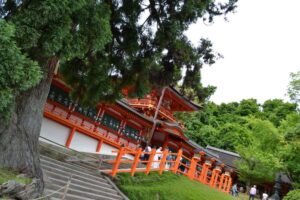
The Legend of Nara Deer
According to the legendary history of Kasuga Shrine, the god Takemikazuchi arrived in Nara on a white deer to guard the newly built capital of Heijō-kyō.
Since then, the deer have been regarded as heavenly animals, protecting the city and the country.
Tame sika deer (also known as spotted deer or Japanese deer) roam through the town, especially in Nara Park.
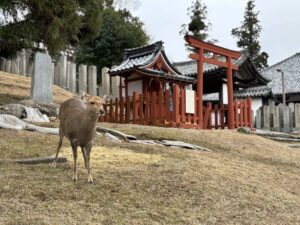
In 2015, there were more than 1,200 sika deer in Nara. Snack vendors sell sika senbei (deer crackers) to visitors so they can feed the deer. Some deer have learned to bow to receive senbei from people.
UNESCO Site
The Historic Monuments of Ancient Nara are a UNESCO World Heritage Site. Nara played a major role in shaping Japanese religion, architecture, and governance, and its influence is still felt today.
READ ALSO: Dada Masiti’s contribution to Islamic literature during the era of slavery, by Gift Luckson
Sightseeing in Nara city became popular in the Edo period, during which several visitors’ maps of Nara were widely published.
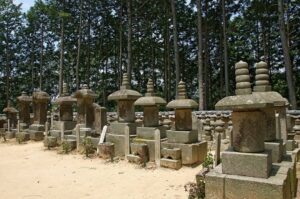
During the Meiji Period, the Kofukuji Temple lost some land and its monks were converted into Shinto priests, due to Buddhism being associated with the old shogunate.
Follow the Neptune Prime channel on WhatsApp:
Do you have breaking news, interview request, opinion, suggestion, or want your event covered? Email us at neptuneprime2233@gmail.com