The interconnected challenge of drug abuse and gambling in Nigeria, by Ojoma Omale
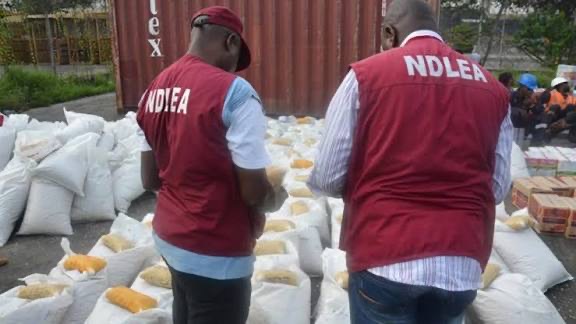
The fight against illicit drugs in Nigeria has been persistent, intensified, and increasingly impossible to ignore. Over the years, the Nigerian government, through the National Drug Law Enforcement Agency (NDLEA), has implemented several measures aimed at reducing both drug demand and supply.
While notable progress has been made, emerging patterns, particularly the strong link between drug abuse and gambling, continue to pose serious challenges.
Various strategies have been deployed to curb drug trafficking and abuse. Drug supply chains and trafficking routes have been disrupted, and tighter regulations and monitoring mechanisms have been introduced to prevent recurrence.
These efforts have led to the interception of major drug routes and the arrest of key drug dealers, significantly reducing the availability of illicit substances in many areas.
Tackling the menace of drug abuse, by Maryam Mohammed
Despite these achievements, drug demand remains a major concern, especially when addiction progresses to dependence.
A critical issue complicating the situation is the close relationship between illegal drug use and gambling. In today’s digital age, drug users are often exposed to gambling platforms within the same online environments where illicit substances are promoted or discussed.
Gambling, in many cases, becomes a means of generating funds to sustain drug use and maintain addiction. This cycle is particularly common among individuals already struggling with dependency.
Stress, personal challenges, unemployment, and persistent overthinking are major contributors to the initiation and continuation of drug use. These pressures can push individuals toward substance abuse as a coping mechanism.
The dangers of drug abuse among Nigerian youths, by Deborah Yakubu Bwala
Over time, this dependence may expand into gambling addiction, especially when financial difficulties arise. Gambling is often perceived as a quick solution to money problems, but it typically worsens the situation.
Drug use and gambling tend to reinforce each other, creating a dangerous cycle. Drugs may be used to cope with gambling losses or emotional distress, while gambling is used to finance drug consumption. Gradually, both behaviours become normalised as temporary “feel-good” solutions.
Unfortunately, this normalisation masks the long-term damage being done. The consequences of this dual addiction are severe and far-reaching. Individuals experience declining mental and physical health, strained relationships, loss of employment, and mounting debt.
On a broader scale, communities suffer increased crime rates, reduced productivity, and growing social instability. These outcomes highlight the urgent need for comprehensive intervention.
The NDLEA has consistently played a vital role in addressing this crisis by raising awareness through various media platforms about the harmful effects of drug abuse and its impact on overall well-being.
Public education remains a powerful tool in discouraging substance abuse and promoting healthier coping mechanisms.
While Nigeria has made commendable progress in disrupting drug supply and enforcing regulations, addressing drug demand and its link to gambling addiction remains critical. A holistic approach that combines enforcement, mental health support, public awareness, and rehabilitation is essential.
By tackling both drug abuse and gambling together, Nigeria can reduce their combined impact and promote a healthier, more resilient society.
Ojoma Omale writes from Kogi State.
Follow the Neptune Prime channel on WhatsApp:
Do you have breaking news, interview request, opinion, suggestion, or want your event covered? Email us at neptuneprime2233@gmail.com