


Senate Approves Electronic Result Transmission: What it means for Nigeria’s electoral process, by Tawheed Yakub
The Senate has approved the electronic transmission of election results as part of ongoing amendments to Nigeria’s Electoral Act, marking a significant development in the country’s electoral reform efforts ahead of the 2027 general elections.
Explanation
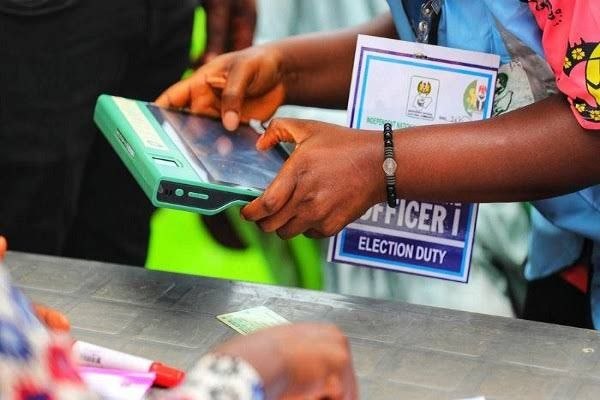
Electronic transmission of election results refers to the process of uploading vote counts from polling units directly into a central digital platform immediately after ballots are counted and official result sheets are completed and signed.
In Nigeria’s case, this involves the Independent National Electoral Commission’s (INEC) Result Viewing (IReV) portal, which allows polling unit results to be uploaded and viewed online.
Read also: 2027 Elections: INEC & citizens, time to rise to the challenge, by Abba Dukawa
The system is designed to complement the existing manual process by creating a digital record of results at the point of origin, thereby reducing delays, limiting opportunities for manipulation during collation, improving accuracy in data transfer, and strengthening public confidence through near real-time access to polling unit outcomes.
Not a Replacement for Physical Voting
It does not replace physical voting, counting, or the use of paper result forms, but provides an additional layer of transparency and verification.
The Senate’s decision follows sustained public debate over the credibility of Nigeria’s electoral process, with civil society groups, political parties and other stakeholders calling for reforms aimed at enhancing transparency, speed and accountability in the reporting of election outcomes.
The approved provision empowers INEC to transmit polling unit results electronically while also retaining a manual collation option where electronic transmission is not feasible due to technical or network challenges.
The Role of Presiding Officers
Under the approved framework, presiding officers at polling units will be authorised to upload results electronically after votes are counted and result forms are signed. The electronic upload will serve as an official digital record of polling unit outcomes.
Read also: Reps to hold emergency sitting over 2027 Election timetable
However, in areas where connectivity issues or technological failures occur, results may still be transmitted manually in line with existing procedures.
Mixed Reactions
The conditional nature of the provision has generated mixed reactions. Supporters argue that electronic transmission will reduce opportunities for manipulation as results move from polling units to collation centres and will enhance public trust in the electoral system. Critics, however, have expressed concern that allowing manual fallback could weaken the reform if not strictly regulated.
The Senate’s version of the amendment must now be harmonised with that of the House of Representatives before a final bill is transmitted to the President for assent.
Senate’s Clarification
The Senate has clarified that the electronic transmission of election results in real time does not translate to e-voting as being peddled in some quarters, adding that INEC currently lacks the capacity to conduct e-voting.
The upper chamber further clarified that the INEC Result Viewing Portal (IReV) “is not an e-voting platform, but a platform for when the election results that have been manually counted and declared at the polling units are uploaded and publicised.”
Chairman, Senate Ad-hoc Panel to Review the 2026 Electoral Bill, Adeniyi Adegbonmire, made the clarifications in an interview, explaining the difference between the electronic transmission of election results in real time and the e-voting system.
The Senate had constituted the ad hoc panel to review the report of its Committee on Electoral Matters, harmonise divergent views and address grey areas identified during the exercise. It also appointed Adegbonmire to lead the seven-man panel.
As preparations for the 2027 general elections gather momentum, attention will focus on how the new framework is finalised and implemented, and whether it will significantly strengthen the credibility and transparency of Nigeria’s electoral process.
Follow the Neptune Prime channel on WhatsApp:
Do you have breaking news, interview request, opinion, suggestion, or want your event covered? Email us at neptuneprime2233@gmail.com