


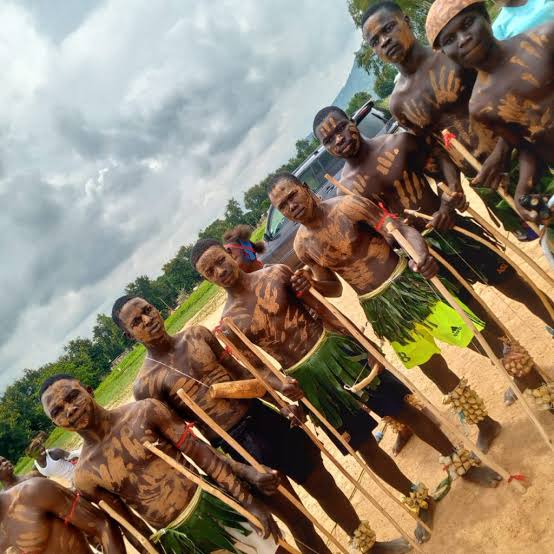
The Yungur People: Preserving a quiet legacy of strength, tradition, and resilience in Adamawa’s heartland
Hidden within the rolling landscapes of Adamawa State is a people whose story is rarely told beyond their homeland, yet whose cultural identity has endured through generations, the Yungur people.
Often overshadowed by larger ethnic groups in North-Eastern Nigeria, the Yungur remain one of the region’s deeply rooted indigenous communities, preserving a heritage shaped by resilience, communal unity, and ancestral memory.
Among neighbouring communities, the Yungur are often admired for their humility, honesty, hospitality, and calm nature. They are widely regarded as hardworking people whose strength lies not in loudness, but in quiet endurance, loyalty to tradition, and deep respect for family and community values.
Predominantly settled around Dumne and surrounding communities in Song Local Government Area, the Yungur homeland stretches across fertile plains, rocky terrain, and savannah landscapes that have long sustained their agricultural way of life.
For centuries, these lands have not merely served as territory, but as the foundation of identity, survival, and cultural continuity.
A People Defined by Memory and Tradition
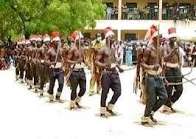
Like many indigenous societies across Northern Nigeria, Yungur history survives not through written archives alone, but through oral tradition.
Stories of origin, clan migrations, ancestral heroes, and communal struggles are preserved in folktales, songs, and the words of elders who serve as guardians of historical memory.
Their language, part of the Adamawa linguistic family, remains one of the strongest symbols of identity among the people, a connection between generations in a rapidly modernising world.
Traditionally, Yungur communities were organised around clans and extended family systems, structures that shaped governance, farming cooperation, conflict resolution, and social order.
Their interactions with neighbouring communities such as the Bachama, Kilba, and Fulani encouraged trade and cultural exchange while reinforcing their own distinct ethnic identity.
Community as a Way of Life
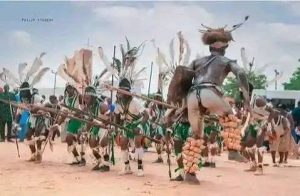
Among the Yungur, life has always revolved around community. The people are known for their spirit of togetherness, generosity to visitors, and willingness to support one another during difficult times. In many Yungur communities, no celebration, harvest, or hardship is faced alone.
Farming seasons are marked by cooperation, with communal labour serving not only economic purposes but also strengthening social bonds.
Elders are deeply respected as custodians of wisdom and culture, while younger generations are expected to embody discipline, courage, humility, and responsibility.
Even as Christianity and Islam have become widely practised, traces of indigenous spirituality and ancestral customs continue to shape ceremonies, traditional expressions, and social values.
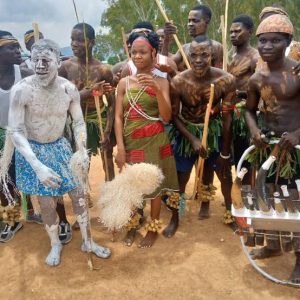
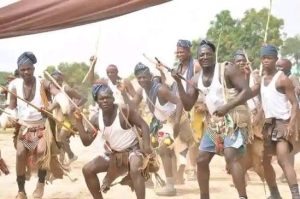
Music, drumming, and dance remain powerful forms of cultural expression, especially during festivals, marriages, and communal gatherings where identity is celebrated openly and proudly.
Marriage Beyond Romance
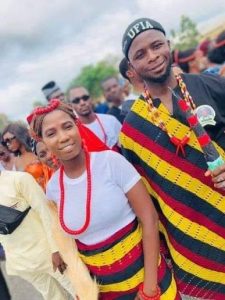
In Yungur society, marriage is far more than a personal union. It is a social institution that connects families, clans, and generations.
Traditional marriage rites involve negotiations between families, blessings from elders, symbolic exchanges, and communal celebrations filled with music, dance, and feasting.
Though modern influences have transformed aspects of the process, the cultural essence of Yungur marriage remains rooted in respect, family ties, and social continuity.
Land, Farming, and Survival
Agriculture remains the backbone of Yungur life. Across their farmlands, crops such as maize, millet, sorghum, groundnuts, and cassava sustain both households and local economies.
The Yungur are widely respected for their hardworking nature and deep understanding of the land. Farming is not merely an occupation among the people, it is a way of life tied to dignity, survival, and generational continuity.
Animal rearing, local trade, and small-scale crafts also contribute to livelihoods within the community.
In recent decades, Yungur men and women have increasingly entered fields such as education, healthcare, public service, and business, expanding their presence beyond rural communities while maintaining ties to their cultural roots.
Holding on in a Changing World
Modern realities continue to challenge smaller ethnic communities across Nigeria, and the Yungur are no exception.
Urban migration, economic pressures, and declining use of indigenous languages among younger generations threaten aspects of traditional identity.
Yet, despite these pressures, efforts to preserve Yungur heritage remain active.
Follow the Neptune Prime channel on WhatsApp:
Do you have breaking news, interview request, opinion, suggestion, or want your event covered? Email us at neptuneprime2233@gmail.com