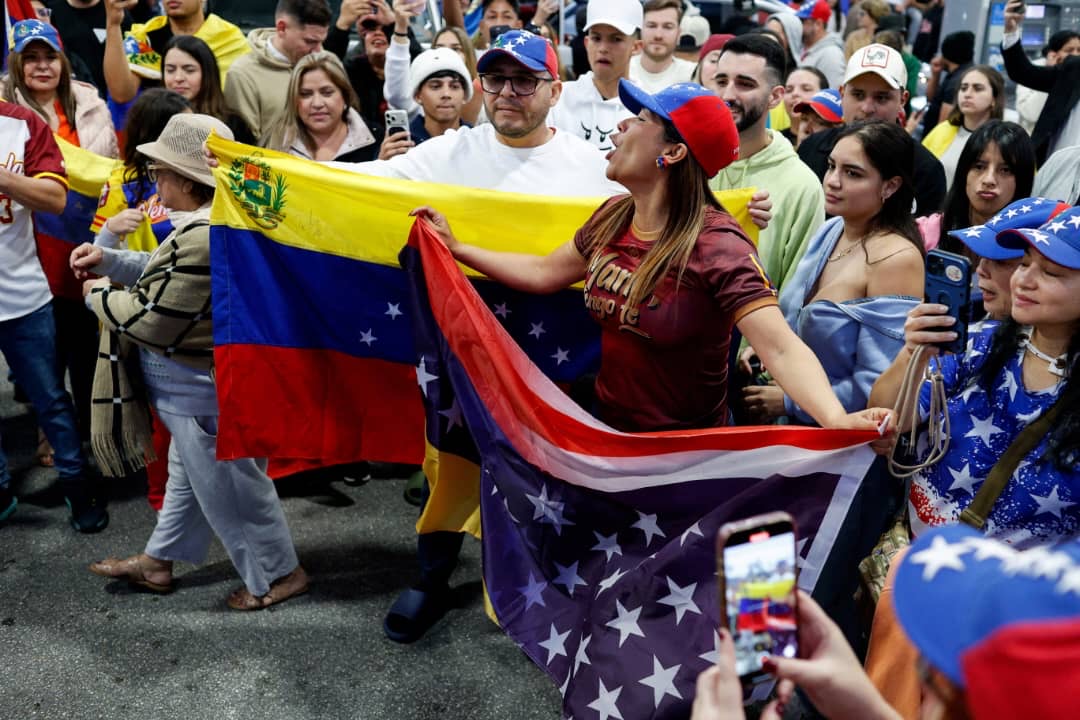
When Justice Collides with Sovereignty: The U.S and Venezuelan leaders, by Love Obiani Arugu
The detention of Venezuela’s leader and his wife by the United States has reignited a critical question in international politics: Can a foreign power lawfully or morally detain the leadership of a sovereign state? While Washington frames its actions as a pursuit of justice and security, the move raises serious legal, ethical, and geopolitical concerns.
Sovereignty is the foundation of the international order. Every nation, in principle, has the ultimate authority to govern its territory and people without external interference. In democratic states, sovereignty resides with the people and is exercised through institutions that reflect their will. In Venezuela, political polarisation, contested elections, and alleged abuses complicate this principle, making sovereignty not just a legal matter but a contested reality.
Legally, heads of state and their spouses enjoy immunity from foreign detention—a principle designed to prevent unilateral intervention and preserve international stability. The United States argues that immunity does not apply in cases involving serious crimes or threats to international security. But acting without multilateral authorisation or international tribunal oversight makes this justification highly contentious, opening debates about legality and precedent.
READ ALSO: Venezuela mobilises 4.5 million militias as U.S. warships approach
Ethically, justice must be personal, not associative. Detaining a spouse who may not have been involved in wrongdoing risks punishing individuals collectively. Moreover, unilateral action can appear selective, fuelling perceptions of power politics rather than principled law enforcement. Accountability is vital, but it must be fair, transparent, and impartial.
The geopolitical consequences are significant. Unilateral detentions by powerful states risk normalising intervention, eroding trust in international institutions, and inflaming nationalist sentiment in targeted countries. Instead of stabilising Venezuela or promoting democracy, such actions can deepen divisions and make diplomatic solutions more difficult.
Ultimately, sovereignty, accountability, and due process must guide international action. Justice cannot be imposed selectively or through unilateral power alone. True resolution requires respecting international law, protecting human rights, and placing the ultimate authority in the hands of the people, not the powerful.
READ ALSO: We don’t want Venezuelan prisoners in Nigeria – Shehu Sani
The Venezuela case is a stark reminder that power without principle undermines both justice and global order. Sovereignty is not just a legal term, it is the lifeblood of legitimate governance, fairness, and trust in international relations.
Follow the Neptune Prime channel on WhatsApp:
Do you have breaking news, interview request, opinion, suggestion, or want your event covered? Email us at neptuneprime2233@gmail.com