
Bound by Heritage: Into the communal unity and cultural resilience of the Chamba people, by Tawheed Yakub
The Chamba people are one of Nigeria’s historically rich and culturally enduring ethnic groups, renowned for their strong communal bonds, deep-rooted traditions, and enduring presence across the North-East region of Nigeria.
They are celebrated for their rich cultural expressions, warrior heritage, artistic creativity, and a social system shaped by centuries of migration, interaction, and adaptation to diverse environments.
The Chamba are predominantly found in Taraba State, Adamawa State, and parts of Cameroon, with notable communities in Ganye, Jada, Toungo, Fufore, Yola (Yola North and Yola South), Mayo-Belwa, Bali, Gashaka, Sardauna, and Jalingo areas.
Over generations, the Chamba have played a significant role in the political, cultural, and economic history of their host regions, maintaining a distinct identity despite external influences.
They are known for their traditional governance systems, age-grade organisation, vibrant festivals, farming and hunting skills, and a worldview centred on ancestry, bravery, and communal responsibility.
The Chamba heritage reflects a people shaped by migration, warfare, cultural exchange, and resilience.
Read also: Berom Heritage: A culture of hard work, harvests, and heartfelt hospitality, by Tawheed Yakub
Despite the influence of Islam, Christianity, colonial rule, and modern social change, the Chamba continue to preserve a strong sense of identity rooted in tradition, kinship, and cultural continuity.
Historical Background and Origin
Chamba history is largely preserved through oral traditions, songs, praise poetry, and the accounts of elders and custodians of lineage memory.
According to these traditions, the Chamba originated from regions around the Benue Valley and the Adamawa highlands, with gradual migrations southward and westward over several centuries.
Historically, the Chamba were known as skilled warriors and hunters, which contributed to their expansion and influence across parts of present-day Taraba and Adamawa States.
Their movements brought them into contact with neighbouring groups such as the Jukun, Mumuye, Fulani, Bachama, and Kuteb, resulting in cultural exchange while preserving a distinct Chamba identity.
Traditional Chamba governance revolved around chiefs, councils of elders, lineage heads, and warrior leaders, whose authority was derived from ancestry, bravery, wisdom, and spiritual legitimacy.
This system enabled the Chamba to manage land, maintain security, resolve conflicts, and uphold social order. Through pre-colonial conflicts, colonial restructuring, and post-independence transitions, the Chamba sustained their identity through strong kinship ties and cultural resilience.
Culture and Tradition
Chamba culture is deeply communal, symbolic, and expressive. Society is organised around extended families, clans, and age-grade systems that define social roles, responsibilities, and rites of passage.
The Chamba language, which belongs to the Niger-Congo language family, serves as a key vessel of cultural memory, transmitted through folktales, myths, proverbs, songs, and ceremonial speech.
Traditional Chamba belief systems emphasised ancestral reverence, spiritual protection, courage, and moral discipline.
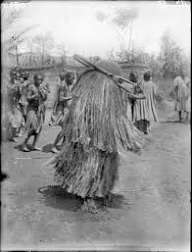
Sacred groves, ritual objects, masquerades, and seasonal ceremonies played central roles in community life. Although Islam and Christianity are now widely practised, many traditional values and customs continue to influence social behaviour, festivals, and communal ethics.
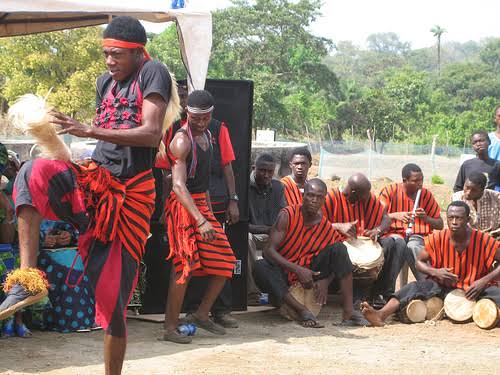
Chamba’s artistic and cultural expressions are particularly notable and include traditional music, drumming, and energetic dances, masquerades and ritual performances, wood carving, masks, and sculptural art.
Read also: Bound by Heritage: Explore the communal unity and resilience of the Kanakuru tribe, by Tawheed Yakub
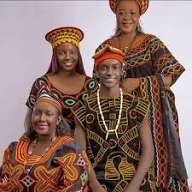
Others are body adornment, symbolic markings, and traditional attire, storytelling, praise poetry, and warrior songs.
These cultural elements reflect a people whose identity is strongly expressed through art, performance, and communal participation.
Marriage Customs
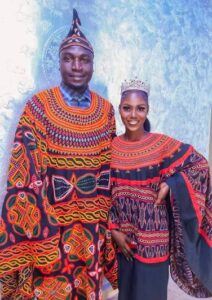
Marriage among the Chamba is a respected institution symbolising continuity, alliance, and social stability. Traditional Chamba marriage practices involve formal family introductions facilitated by elders, negotiation and presentation of bride price, often including livestock, farm produce, and symbolic items.
Blessings, prayers, and counsel from elders and lineage heads, cultural dances, music, and communal feasting.
Rituals emphasising fertility, loyalty, and respect.
Marriage is viewed not merely as a union between individuals but as a bond between families and clans.
Polygamy existed traditionally, particularly among warrior and farming households, though it has become less common today. In modern times, Chamba marriages often combine traditional rites with Christian, Islamic, or civil ceremonies.
Socio-Economic Life
Agriculture remains the backbone of Chamba’s economic life. The Chamba are skilled farmers who cultivate crops such as millet, sorghum, maize, rice, yams, cassava, groundnuts, and beans, adapted to the fertile plains and river valleys of Taraba and Adamawa.
Other traditional economic activities include hunting and fishing (historically significant), livestock rearing, local trade and market exchange, craft production, especially wood carving, tool making, and weaving.
In contemporary times, Chamba men and women are increasingly engaged in education, civil service, healthcare, business, security services, arts, and politics, contributing meaningfully to regional and national development.
Modern Times
Like many indigenous communities, the Chamba face challenges associated with modernisation, including a gradual decline in indigenous language use among younger generations, rural underdevelopment and economic pressures, environmental challenges and land-use changes, cultural erosion due to urbanisation and migration.
Despite these challenges, the Chamba continue to assert their identity through cultural festivals, community associations, traditional leadership institutions, artistic revival, and renewed interest in heritage preservation.
Ceremonies and Cultural Practices
Chamba ceremonies reflect deep spirituality, communal unity, and reverence for ancestry. Key cultural practices include harvest and seasonal festivals, masquerade performances and ritual dances, initiation rites marking transition into adulthood, naming ceremonies integrating children into lineage identity, communal feasting, storytelling, and music, councils of elders and traditional dispute resolution.
Each ceremony reinforces Chamba values of bravery, respect for elders, cooperation, discipline, and cultural continuity.
The Chamba people remain one of Nigeria’s historically dynamic and culturally expressive communities, resilient, adaptive, and deeply connected to their ancestral roots.
From their long-established settlements in Taraba and Adamawa to their growing presence in modern professions and institutions, the Chamba continue to uphold a heritage founded on unity, creativity, hard work, and respect for tradition.
Follow the Neptune Prime channel on WhatsApp:
Do you have breaking news, interview request, opinion, suggestion, or want your event covered? Email us at neptuneprime2233@gmail.com