


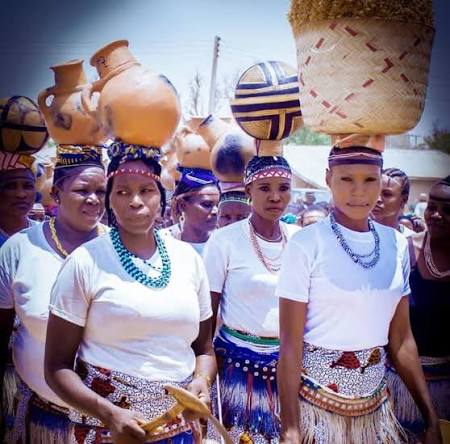
Where Tradition Meets the Mountains: The untold story of the Cham people, by Gift Luckson
The Cham people (also known as the Dikaka or Chum) are a vibrant ethnic group located in the southern part of Gombe State, primarily within the Balanga Local Government Area.

They are known for their distinct cultural identity and their historical roots in the mountainous regions of Northeastern Nigeria.
Origin and Settlement
The Cham trace their migration from the “Far East” (specifically a place called Yamel), arriving in their current location in the late 18th century.
Migration Route: They reportedly travelled through Egypt and southern Borno before settling in their current districts, Kindiyo and Mona, around 1880.
READ ALSO: Fubara, impeachment, and the long-standing challenges of governing Rivers State, by Gift Luckson
Neighbours: They share deep historical and linguistic ties with neighbouring tribes like the Lunguda, Tula, and Dadiya.

Language (Dikaka)
The language of the Cham people is officially called Dikaka (or Dijim-Bwilim).
Dialects: It consists of two primary dialects: Dijim (spoken around Kindiyo/Cham town) and Bwilim (spoken around Mwana/Mona).
Linguistic Group: It is a member of the Waja group within the Adamawa branch of the Niger-Congo language family.
Unique Feature: It is a tonal language and historically had a “whistled” register used for long-distance communication.
Culture and Traditions
The Cham are a deeply communal society with traditions centred on agriculture and social cohesion.
Chigote Festival: Their most famous cultural event is the Chigote (or Chugote) Festival, celebrated every April.
READ ALSO: The ancient Japanese city where deer are regarded as heavenly animals, by Gift Luckson
The word Chugote means “friends,” and the festival serves as a time for unity, showcasing traditional dances, wrestling, and agricultural displays.

Livelihood and Social Structure
They are predominantly agrarian. They produce cash crops like cotton and groundnuts, alongside food crops such as guinea corn, maize, and beans.
Historically, the Cham were known for their bravery and independence. While they have integrated into the modern political structure of Gombe, they maintain a strong sense of tribal identity under their traditional leader, the Nidu (King) of Cham.
Follow the Neptune Prime channel on WhatsApp:
Do you have breaking news, interview request, opinion, suggestion, or want your event covered? Email us at neptuneprime2233@gmail.com