



Prices of essential food items fluctuate in Zaria markets
Story by Fatima Mohammed TIYANDE (Student at Ahmadu Bello University, Zaria. Faculty of Law)
The prices of major grains are drastically reducing at the beginning of 2026 in many parts of the country. The costs of food items that are daily necessities in many Nigerian homes like beans, rice, maize, flour, etc, have decreased in the past few weeks.
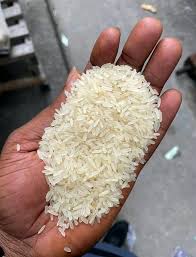
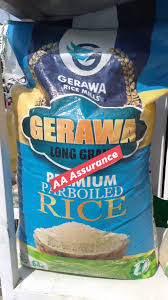
But in Zaria, Kaduna State, prices of food items have been fluctuating since the start of 2026. According to a recent market survey, a popular rice brand commonly used in Zaria, known as Gerawa, has witnessed a slight increase in price.
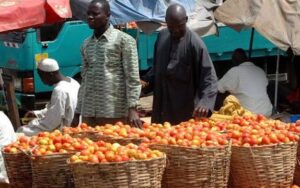
Malam Bello, a small shop owner and farmer, said the price which was formerly N53,000 had increased to N54,000.
READ ALSO: Prices of perishable foodstuffs reduce in Yobe, Borno, Adamawa as harvests commence
Another popular rice brand found in the market, the Thailand imported rice, which was once sold at the range of N57,000 now goes for N64,000.
The trader said the Nigerian local rice which was once sold at N27,000 per bag is now being sold at the range of N35,000.
He attributed the recent development to the fact that Zaria is not a grain-producing area. However, Zaria is popularly known for cheap vegetables like tomatoes, bell pepper, habanero Pepper, onions, etc.
Malam Bello further expressed concerns towards the increase in the costs of those vegetables as well. He said “In our farm, we once sold a basket of habanero pepper at 1000 naira. We sold a large bag of it at 8000 naira. But now the price has increased to 15,000 naira. Not to talk of tomatoes and especially onions.
READ ALSO: Major relief as grain, other food prices drop in Dambam Markets
He said the reason for the unexpected high prices is due to the hike in petroleum prices. Petroleum was sold at 830 per liter but now it’s being sold at 940 per litre.
The high prices of food items in Nigeria have been a lingering concern for the masses. Experts have emphasised the importance of affordable food, being a daily requirement for human survival. They condemn the scenario where food becomes an overpriced luxury for the common man and low-income earners.
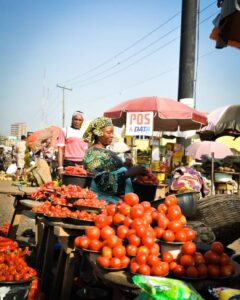
Traders, students, and civil servants are lamenting the high costs of eating healthy meals in Nigeria. Customers have expressed frustration over fluctuating prices daily, they keep wondering whether the prices are declining or increasing.
However, customers have confirmed that prices are no longer as high as they used to be during the peak of fuel subsidy removal. Despite the shallow relief, many Nigerian households struggle to afford decent meals daily.
Consumers urged governments at all levels to step up with initiatives and agricultural projects that will help ease the burdens on citizens and provide a lasting solution to the food crisis in the country.
Follow the Neptune Prime channel on WhatsApp:
Do you have breaking news, interview request, opinion, suggestion, or want your event covered? Email us at neptuneprime2233@gmail.com