


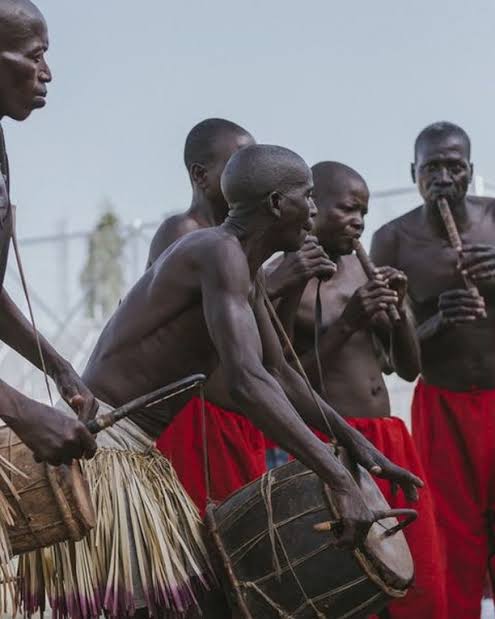
The Mada Tribe: Exploring the rocky hill dwellers and skilled farmers of Nasarawa State, by Tawheed Yakub
The Mada people of Nigeria are a culturally vibrant and historically rooted ethnic group, known for their strong communal bonds, moral discipline, and rich ancestral heritage preserved across generations.
Renowned for resilience, integrity, and a deep respect for tradition, the Mada have sustained their cultural identity despite colonial administration, religious change, urban migration, and the influence of modern civilisation.
They are predominantly found in Nasarawa State, particularly in Akwanga, Kokona, Nasarawa Eggon, and neighbouring communities, occupying a landscape characterised by rocky hills, savannah vegetation, and fertile farmlands.
These geographical features have influenced their farming system, settlement patterns, defensive strategies in earlier times, and collective lifestyle.
Over time, the Mada people have played a significant role in the social, political, and economic development of the Middle Belt, preserving values that emphasise respect for elders, communal cooperation, accountability, and unity.
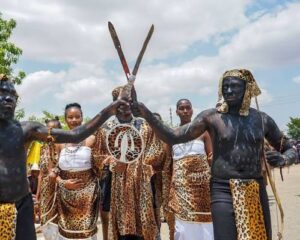
Historical Background and Origin
Mada history is largely preserved through oral tradition, clan narratives, ancestral lineage accounts, and folklore passed down by elders.
Linguistically, the Mada language belongs to the Niger-Congo language family and shares historical and cultural ties with neighbouring Middle Belt ethnic groups.
Traditionally, the Mada people lived in hilltop and clustered settlements organised around extended families and clans. These settlements offered protection in times of inter-tribal conflict and strengthened cooperation in farming, defence, and social life.
The Mada maintained relationships with neighbouring groups such as the Eggon, Gwandara, Hausa, and Tiv through trade, intermarriage, and cultural exchange, while maintaining a distinct identity.
Leadership was structured around traditional rulers, clan heads, and councils of elders who oversaw land administration, dispute resolution, marriage arrangements, religious rites, and community welfare.
Although colonial rule altered aspects of governance, traditional institutions remain respected and influential within Mada communities today.
Culture and Tradition
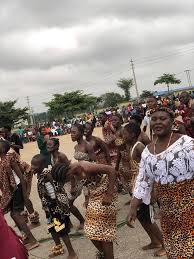
Mada culture is strongly communal and structured around family and clan relationships. Social roles are clearly defined, with elders serving as custodians of wisdom and youth expected to uphold moral standards and communal responsibility.
Communal labour, particularly during farming seasons and house construction, is a key feature of Mada society. Cooperation and solidarity are highly valued.
The Mada language remains central to identity, expressed through proverbs, folktales, praise poetry, songs, and ritual communication. Oral tradition serves as a vehicle for transmitting ethics, bravery, honesty, and respect for authority.
Today, Christianity is predominant among the Mada, alongside Islam and traces of indigenous spiritual beliefs. While religion has influenced social life, many cultural practices continue to coexist with modern faith traditions.
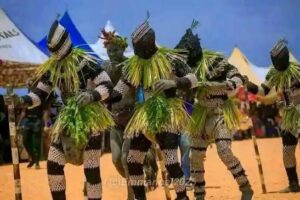
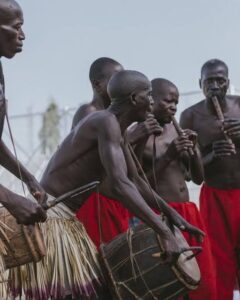
Traditional music, drumming, dance performances, and symbolic attire remain important during festivals and ceremonies, reinforcing unity and moral upbringing.
Marriage Customs
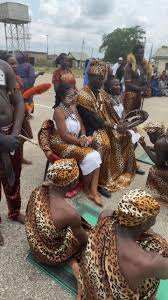
Marriage among the Mada is regarded as a sacred covenant that unites not only a man and woman but also their extended families and clans.
The marriage process typically involves formal family introductions, negotiations conducted by elders, agreement on bride price (which may include livestock, farm produce, or symbolic items), blessings, and moral instruction to the couple.
Ceremonies are marked by traditional music, dance, feasting, and community participation.
While polygamy existed traditionally, religious and economic changes have reduced its prevalence. Modern Mada marriages often combine traditional rites with Christian, Islamic, or civil wedding ceremonies, reflecting adaptation without total abandonment of heritage.
Socio-Economic Life
Agriculture remains central to the Mada way of life. The people cultivate crops such as yams, millet, guinea corn, maize, cassava, rice, and vegetables.
Animal husbandry, petty trading, craftsmanship, and local industries have historically supported livelihoods.
In contemporary times, Mada men and women are actively engaged in education, civil service, business, healthcare, politics, and other professional fields, contributing meaningfully to Nasarawa State and Nigeria while preserving cultural connections.
Modern Times
Like many indigenous communities, the Mada face challenges including youth migration to urban centres, gradual language decline, economic pressures, land disputes, and cultural transformation.
However, cultural associations, traditional councils, churches, mosques, and community festivals continue to promote Mada heritage.
Efforts to document oral history and encourage the use of the Mada language among younger generations are ongoing, reflecting a determination to sustain identity amid change.
Ceremonies and Cultural Practices
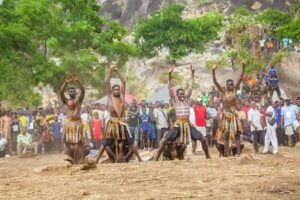
Mada ceremonies symbolise unity, spirituality, and ancestral respect.
Important events include harvest festivals, naming ceremonies, marriage rites, funerals, communal labour gatherings, and elder-led reconciliation meetings.
These cultural practices reinforce values such as diligence, respect, courage, social harmony, and collective responsibility.
From the rocky hills of Akwanga and surrounding communities to urban centres across Nigeria, the Mada people continue to demonstrate that tradition and modernity can coexist, sustaining a proud legacy built on resilience, unity, and cultural depth.
Follow the Neptune Prime channel on WhatsApp:
Do you have breaking news, interview request, opinion, suggestion, or want your event covered? Email us at neptuneprime2233@gmail.com