


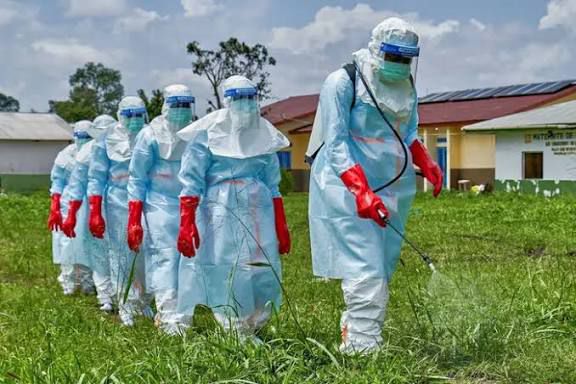
FG places 21 States on high Ebola alert as NCDC warns of importation risk
The Federal Government has placed 21 states and the Federal Capital Territory (FCT) on varying levels of Ebola preparedness alert following a fresh risk assessment by health authorities amid renewed outbreaks in parts of Africa.
The Nigeria Centre for Disease Control and Prevention (Nigeria Centre for Disease Control and Prevention) said Nigeria currently has no confirmed Ebola Virus Disease (EVD) case, but warned that the risk of importation remains high due to increased regional transmission and cross-border movement.
In a statement issued on Thursday, the Director-General of the agency, Jide Idris, said the assessment was guided by rising cases reported in the Democratic Republic of Congo and Uganda, as well as global alerts from the World Health Organization declaring the situation a Public Health Emergency of International Concern.
Why Nigeria is on alert
Dr Idris explained that Nigeria’s vulnerability is heightened by international travel routes, porous borders, and the similarity of early Ebola symptoms with other common illnesses such as malaria and Lassa fever, which could delay detection.
READ ALSO: Nigeria places Lagos, FCT, eight states on Ebola emergency watch amid fresh outbreak concerns
He also noted that current regional outbreaks involve strains with limited or no approved vaccines, making early detection, isolation, and infection control critical to prevention.
States classified as high risk
The NCDC classified the following 10 states and the FCT as high-risk areas due to international travel hubs, trade activity, and border connectivity:
Lagos
FCT (Abuja)
Rivers
Kano
Enugu
Borno
Akwa Ibom
Cross River
Taraba
Adamawa
States placed on moderate risk alert
A further 12 states were listed as moderate risk, requiring sustained preparedness measures:
Ogun
Nasarawa
Kaduna
Plateau
Kogi
Niger
Jigawa
Katsina
Bauchi
Ebonyi
Abia
Bayelsa
Government response
The NCDC said it has activated its Emergency Operations Centre in alert mode and directed states to strengthen surveillance, isolation capacity, infection prevention systems, and rapid response mechanisms.
READ ALSO: Missing Intestine: Unqualified surgeon performed surgery, reveals Lagos Assembly
Dr Idris urged state health authorities to ensure immediate readiness across public and private health facilities, including safe sample handling, contact tracing systems, and protection for frontline health workers.
He also warned against public panic, stressing that Nigeria has not recorded any confirmed Ebola case linked to the current outbreak, but emphasized that preparedness must remain proactive.
Disease risk context
The agency added that recent outbreaks in parts of Africa have recorded over 1,000 suspected cases and hundreds of deaths, with a case fatality rate of about 24.6 percent, underscoring the severity of the situation.
Health authorities further emphasized that Ebola spreads through direct contact with infected bodily fluids and is not airborne, urging the public to report symptoms early and avoid stigmatization.
The NCDC said it will continue to coordinate national preparedness efforts and provide technical support to states as Nigeria remains on heightened alert.
Follow the Neptune Prime channel on WhatsApp:
Do you have breaking news, interview request, opinion, suggestion, or want your event covered? Email us at neptuneprime2233@gmail.com