

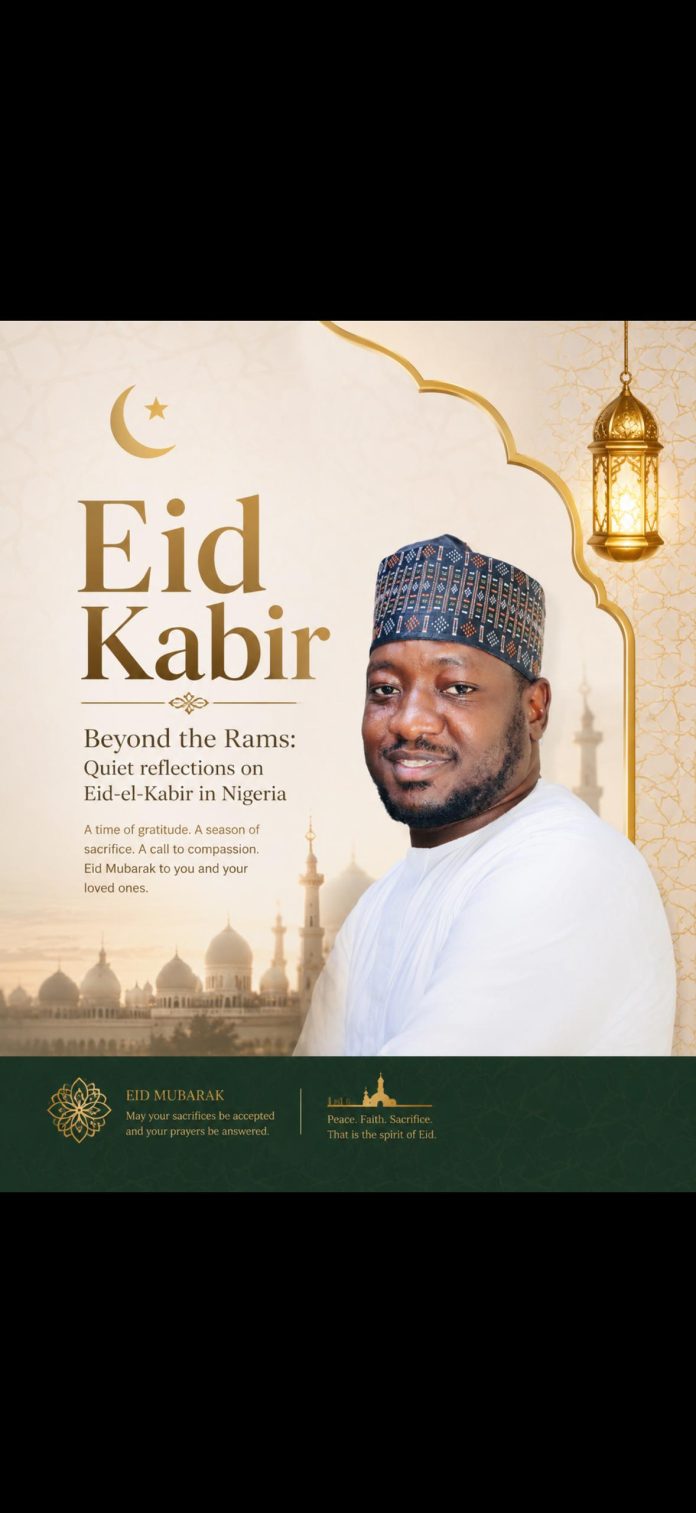
Beyond the Rams: Quiet reflections on Eid-el-Kabir in Nigeria, by Abdullahi Haruna
Every year, millions of Muslims across the world gather with joy, prayers, and sacrifice to celebrate Eid al-Adha, one of the most important festivals in Islam. In Nigeria, despite rising food prices, economic hardship, and insecurity in many communities, Muslims continue to participate in this festival with deep devotion and unwavering faith.
A Festival of Sacrifice
Popularly known as the “Festival of Sacrifice,” Eid-el-Kabir is not merely about buying and slaughtering rams. It is a spiritual event rooted in obedience, faith, charity, and total submission to the will of Allah.
The celebration commemorates the willingness of Prophet Ibrahim (Abraham) to sacrifice his beloved son in obedience to Allah’s command. According to Islamic teachings, Allah later replaced the son with a ram after witnessing Ibrahim’s unwavering faith and loyalty.
For Muslims, this historic act remains a powerful lesson in sacrifice, patience, and trust in God.
READ ALSO: Eid-el-Kabir: Nigerians express mixed reactions over fluctuating ram prices nationwide
A Celebration Beyond Material Wealth
In recent years, the cost of rams and other food items has increased significantly, making it difficult for many families to fully participate in the traditional festivities. Yet, the spiritual significance of Eid al-Kabir continues to outweigh the financial burden.
Many Muslims say the celebration is not defined by how expensive the ram is or how lavish the meal becomes, but by the sincerity of worship and the opportunity to strengthen bonds with family, neighbours, and the less privileged.
Across cities and rural communities, Muslims still gather in large numbers for Eid prayers, visit loved ones, exchange gifts, and share meals with the needy. For many families, even when they cannot afford a ram, they participate through prayers, acts of kindness, and community support.
Piety Over Material Display
Islamic scholars often remind worshippers that Allah values piety and intention more than material display.
The Essence of Slaughtering Rams During Eid-el-Kabir
One of the central practices during Eid al-Kabir is the slaughtering of rams, goats, cows, or camels by those who can afford it. The act, known as Qurbani or sacrifice, symbolises obedience to Allah and remembrance of Prophet Ibrahim’s faith.
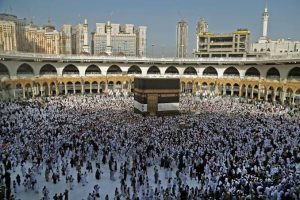
The slaughtering of the animal is also an act of charity and compassion. Islamic tradition encourages Muslims to divide the meat into portions — one part for the family, another for relatives and friends, and a significant portion for the poor and vulnerable in society.
This tradition ensures that even struggling families can partake in the joy of the celebration.
For many Muslims, the sacrifice teaches the importance of giving up personal comfort for a greater spiritual purpose. It is also seen as a reminder that wealth and possessions are temporary, while faith and humanity remain enduring values.
Faith Amid Hardship and Insecurity
Nigeria’s economic difficulties and security challenges have affected nearly every aspect of life, including religious celebrations. However, Eid-el-Kabir continues to inspire hope among Muslims who see the festival as a time for gratitude, unity, and prayer for peace.
In several communities affected by insecurity, Muslims still come together under tight security to observe prayers and celebrate peacefully. Religious leaders frequently use the occasion to preach tolerance, compassion, and national unity.
READ ALSO: Eid-el-Kabir: Tinubu urges prayers against terrorism, calls for compassion in Sallah message
For many believers, Eid al-Kabir serves as a reminder that trials and hardship are part of life, but faith, sacrifice, and patience can help individuals overcome adversity.
A Festival of Humanity and Reflection
Beyond the colourful clothing, delicious meals, and festive atmosphere, Eid-el-Kabir remains a deeply spiritual occasion. It is a time for Muslims to reflect on their relationship with Allah, care for the needy, forgive one another, and renew their commitment to righteousness.
The festival continues to hold immense importance because it represents values that transcend generations — obedience, sacrifice, generosity, and unwavering faith.
Even in difficult times, Muslims remain devoted to Eid-el-Kabir because, at its core, the celebration is not about wealth or luxury. It is about devotion to God and compassion toward humanity.
Follow the Neptune Prime channel on WhatsApp:
Do you have breaking news, interview request, opinion, suggestion, or want your event covered? Email us at neptuneprime2233@gmail.com