
Counterfeit Crisis: How fake products are endangering lives across Nigeria, by Martha Gwary
Nigeria’s markets are increasingly becoming battlegrounds where unsuspecting citizens are exposed to dangerous counterfeit products ranging from fake medicines and adulterated drinks to substandard clothing, cosmetics and packaged foods.
What was once seen as a minor commercial nuisance has now grown into a national crisis threatening public health, economic stability and consumer confidence.
From Medicines to Food and Fashion, Nigerians Pay a Heavy Price
Across major cities and rural communities alike, fake goods have infiltrated open markets, supermarkets, pharmacies and roadside shops. Many consumers, struggling under harsh economic realities and rising inflation, often opt for cheaper alternatives without realising the grave risks attached to such purchases.
Perhaps the most dangerous among these counterfeit products are fake medicines. Health experts warn that adulterated drugs have contributed to treatment failures, worsening illnesses and avoidable deaths across the country.
In some cases, counterfeit drugs contain harmful chemicals, insufficient active ingredients or no medicinal content at all.
Patients battling malaria, hypertension, diabetes and infections are among the worst hit. Instead of receiving healing, many victims suffer severe complications because the medicines they consumed were fake or expired. Medical practitioners say the circulation of counterfeit drugs also fuels antimicrobial resistance, making genuine treatments less effective over time.
Adulterated Drinks: A Dangerous Deceit
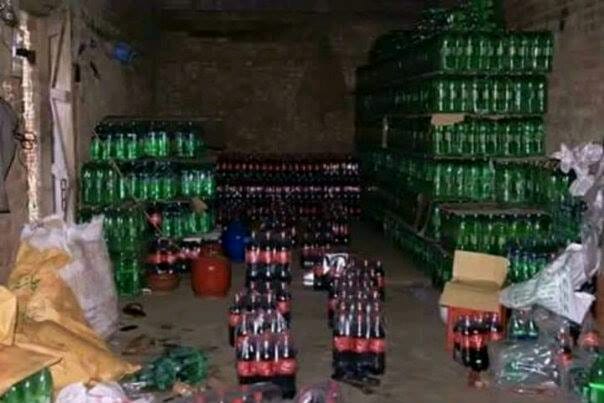
The danger does not end with medicines. The Nigerian market has also witnessed the alarming spread of fake alcoholic and non-alcoholic drinks. Unscrupulous manufacturers often package locally mixed substances in bottles resembling popular brands, deceiving consumers and putting lives at risk.
Read also:N36m Fraud: Suspected fake cocoa farmer to face trial
Several cases of poisoning and sudden deaths linked to adulterated drinks have been reported in different parts of the country. Some fake beverages are produced under unhygienic conditions using unsafe chemicals capable of damaging vital organs such as the liver and kidneys.
Fake Packaged Food Products
Packaged food products are equally affected. Counterfeit rice, cooking oil, tomato paste, seasoning cubes and beverages have found their way into shops and homes. In many instances, expired products are repackaged and resold to unsuspecting buyers. Others are produced in unhealthy environments without proper regulatory approval.
Nutritionists warn that consumption of such products may expose Nigerians to food poisoning, infections and long-term health complications. Children, whose immune systems are still developing, remain particularly vulnerable.
Fake Clothing: A Hidden Danger
The clothing and fashion industry has not been spared either. While fake designer clothes and shoes may appear less harmful compared to fake drugs or food, experts say substandard fabrics and materials can trigger skin irritations, allergies and other health concerns. Moreover, the influx of counterfeit fashion items continues to weaken local textile industries and discourage genuine manufacturers.
Effect on the Nigerian Economy
Economic experts note that counterfeit goods also inflict serious damage on the nation’s economy. Genuine manufacturers lose revenue as fake products flood the market at lower prices. This reduces investor confidence, leads to job losses and weakens local industries struggling to survive in an already difficult business environment.
Read also:FG seals Sahad stores over fake prices of goods (Photos)
Regulatory agencies, including the National Agency for Food and Drug Administration and Control and the Standards Organisation of Nigeria have repeatedly intensified crackdowns on counterfeiters.
Raids on illegal factories and seizures of fake products have yielded some results, yet the problem persists due to porous borders, corruption, weak enforcement and the growing sophistication of counterfeit networks.
A Need For Advanced Tackling Strategy
Consumer advocates argue that tackling the menace requires stronger collaboration between government agencies, manufacturers, traders and the public. They also stress the importance of public awareness campaigns to educate Nigerians on how to identify genuine products and avoid suspiciously cheap goods.
Many Nigerians are now calling for stricter penalties against counterfeiters whose activities continue to endanger millions of lives. Some stakeholders have also urged the government to strengthen border surveillance and improve monitoring systems within local markets.
As economic hardship deepens, the temptation to patronise cheaper alternatives may continue to grow. However, experts insist that the true cost of fake products is often far greater than the money saved. For many victims, the consequences include ill health, financial loss and, in extreme cases, death.
A Call to Action
Until decisive action is taken, the counterfeit trade may continue to flourish, leaving ordinary Nigerians trapped in a dangerous marketplace where even necessities can become deadly.
Follow the Neptune Prime channel on WhatsApp:
Do you have breaking news, interview request, opinion, suggestion, or want your event covered? Email us at neptuneprime2233@gmail.com