

LTR Nigeria reports major gains in Leprosy, Tuberculosis control, social inclusion programmes
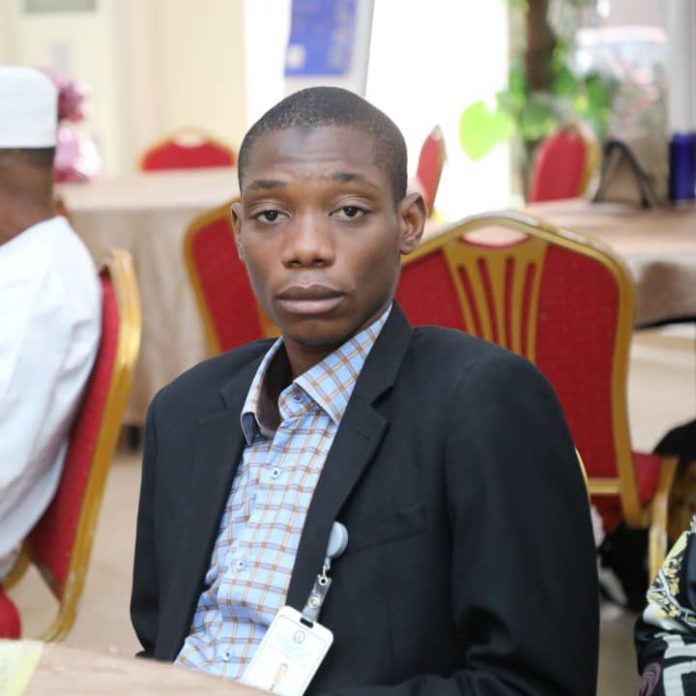
By SALEH FAROUQ GAGARAWA, ANIPR
Abuja, June 3, 2026 – The Leprosy and Tuberculosis Relief Initiative (LTR Nigeria) has announced significant achievements in its efforts to combat leprosy, tuberculosis (TB), HIV and disability-related challenges across Nigeria, while calling for sustained support to address persistent health and social barriers facing vulnerable populations.
Speaking during a press briefing in Abuja on Wednesday, the Communication and Media Officer and Spokesperson of LTR Nigeria, Saleh Farouq Gagarawa, said the organization had expanded its interventions beyond disease control to include rehabilitation, disability inclusion, stigma reduction, community health systems strengthening and social development.
According to him, LTR Nigeria continues to work closely with the Federal Ministry of Health and Social Welfare, state governments, development partners, healthcare workers and community stakeholders to improve healthcare access and promote dignity and equal opportunities for underserved populations.
Gagarawa noted that between 2021 and 2024, the organization’s Ready4PEP Project identified and enrolled 2,092 new leprosy patients on Multidrug Therapy, surpassing its original target by 149 percent.
He said the project also strengthened prevention efforts through large-scale contact screening and post-exposure prophylaxis, with 31,620 contacts screened for leprosy and 29,070 eligible contacts receiving Single Dose Rifampicin Post-Exposure Prophylaxis.
To improve diagnosis and treatment services, LTR Nigeria trained 1,456 healthcare workers in leprosy management and prevention, while another 2,203 workers were equipped with SkinApp technology to aid the identification of leprosy and other skin-related neglected tropical diseases.
The organization also established and revitalized 56 self-care groups supporting about 593 persons affected by leprosy, helping beneficiaries improve wound care, prevent disabilities and access psychosocial support.
READ ALSO: Nigeria’s Tuberculosis Emergency: Time to close the funding gap and turn commitment into action
In its fight against stigma and discrimination, LTR implemented the “Breaking Stigma, Building Story” project in Plateau State, empowering people affected by leprosy to tell their stories through photography, documentaries and other creative platforms.
The initiative produced more than 185 photographs, five documentary films and a public exhibition attended by government officials, development partners, media practitioners and community leaders. The project also attracted a pledge of ₦5 million from the Plateau State Government to support livelihood opportunities for participants.
On tuberculosis control, Gagarawa disclosed that LTR Nigeria’s interventions under the Global Fund GC7 Grant reached approximately 1.69 million people through community-based activities between 2024 and the first quarter of 2026.
He said over 1.58 million individuals were screened for tuberculosis through outreach programmes and house-to-house case searches, while more than 2.28 million others were screened through Public-Private Mix facilities and community networks.
The programme, he explained, strengthened case identification, laboratory diagnosis, sample transportation, treatment initiation and adherence support, resulting in more than 50,000 tuberculosis patients being placed on treatment during the period.
LTR Nigeria also provided transportation and treatment support to about 450 Drug-Resistant Tuberculosis patients to improve continuity of care and treatment outcomes.
Recognising the link between TB and HIV, the organisation adopted an integrated service delivery model that facilitated the identification and referral of approximately 432 HIV-positive individuals for care and treatment.
Additionally, around 500 HIV-positive pregnant women were identified and linked to services aimed at improving maternal health outcomes and preventing mother-to-child transmission of HIV.
Beyond direct healthcare interventions, the organisation invested in research, advocacy, knowledge sharing and health systems strengthening, producing publications and learning materials that document best practices and lessons from its programmes.
Despite the progress recorded, Gagarawa acknowledged that challenges remain, including stigma associated with leprosy, delayed diagnosis, poverty, unemployment, inadequate rehabilitation services, transportation difficulties, healthcare workforce shortages, insecurity and limited resources.
READ ALSO: Beyond Cure: Nigeria’s leprosy colonies still waiting for dignity
He said LTR Nigeria would continue to strengthen community health systems, promote disability inclusion, improve rehabilitation services and advocate evidence-based policies that support vulnerable populations.
“The vision of LTR Nigeria is a country where no person is denied dignity because of disease, where disability does not lead to exclusion, and where healthcare services are accessible to all,” he said.
The organisation expressed appreciation to the Federal Ministry of Health and Social Welfare, state governments, development partners, healthcare workers, community volunteers, traditional and religious leaders, civil society organisations, media practitioners and communities for their continued support.
LTR Nigeria reaffirmed its commitment to collaborating with stakeholders to accelerate progress toward a healthier, more inclusive and equitable Nigeria.
Follow the Neptune Prime channel on WhatsApp:
Do you have breaking news, interview request, opinion, suggestion, or want your event covered? Email us at neptuneprime2233@gmail.com